

Roofing
Fascia and Soffit Repair in Mississippi
Fascia and soffit repair and replacement across central Mississippi. We find the water that rotted the roof edge, rebuild it on solid framing, and vent the soffit so the attic can breathe.
Overview
Fascia and Soffit Repair Starts at the Roof Edge
Fascia is the board along the bottom edge of the roof. It carries the gutter and closes off the rafter ends. Soffit is the panel under the overhang. Together they seal the roof edge against water and animals, and the soffit is where most houses take in air for the attic.
When either one fails, the damage spreads. Soft fascia lets the gutter pull loose, and wet wood at the edge moves into the rafter tails and the first course of roof decking.
Dickerson Contracting repairs and replaces fascia and soffit across central Mississippi from our base in Flowood. Jacob or Jordan is on every job, and the work is done by the same two crews that have run our roofs for nine years.
We set expectations up front and we do not over-promise. You approve every dollar before it becomes a bill.
Credentials
Licensed through the Mississippi State Board of Contractors, license 25203-MC. BBB accredited with an A+ rating since 2018. Home Builders Association and Rankin County Chamber members.



Why it rots
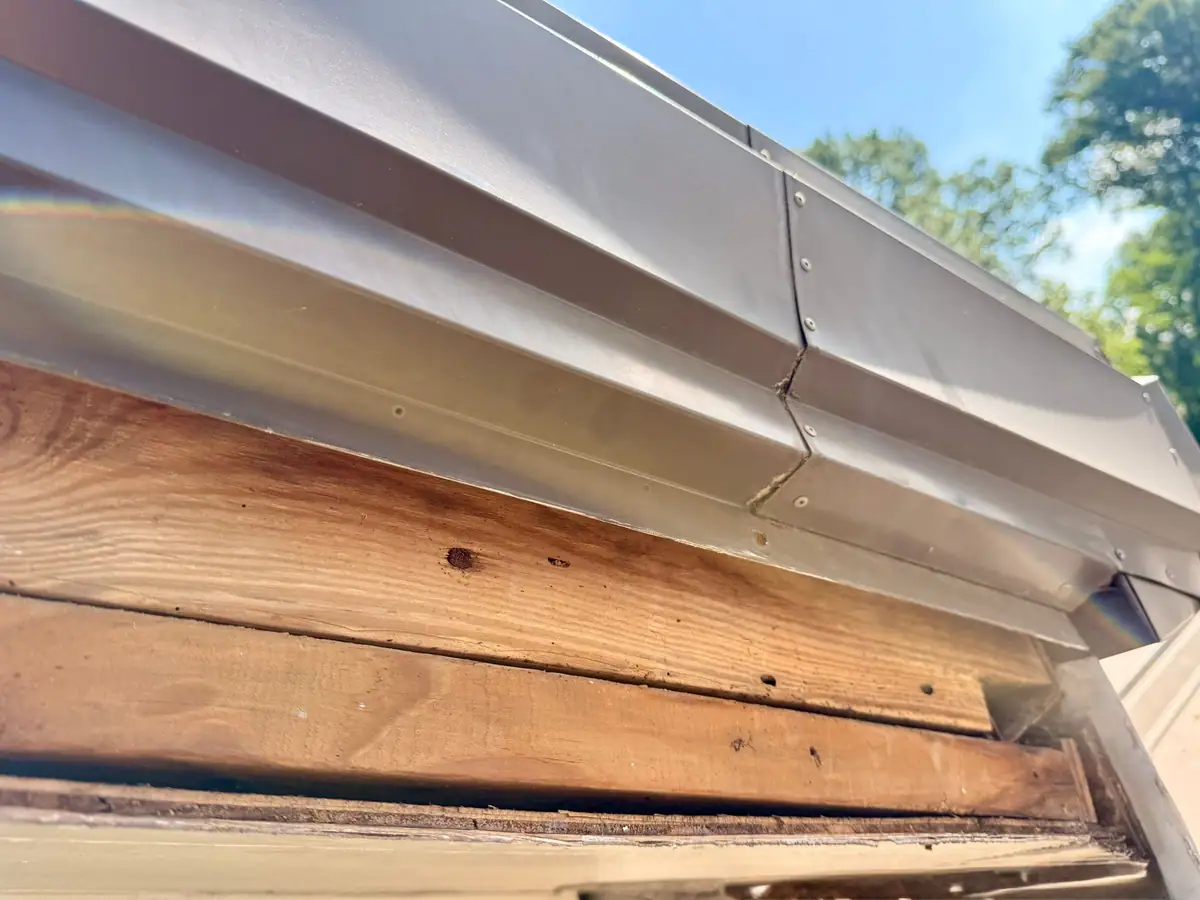
What Rots Fascia and Soffit in Mississippi
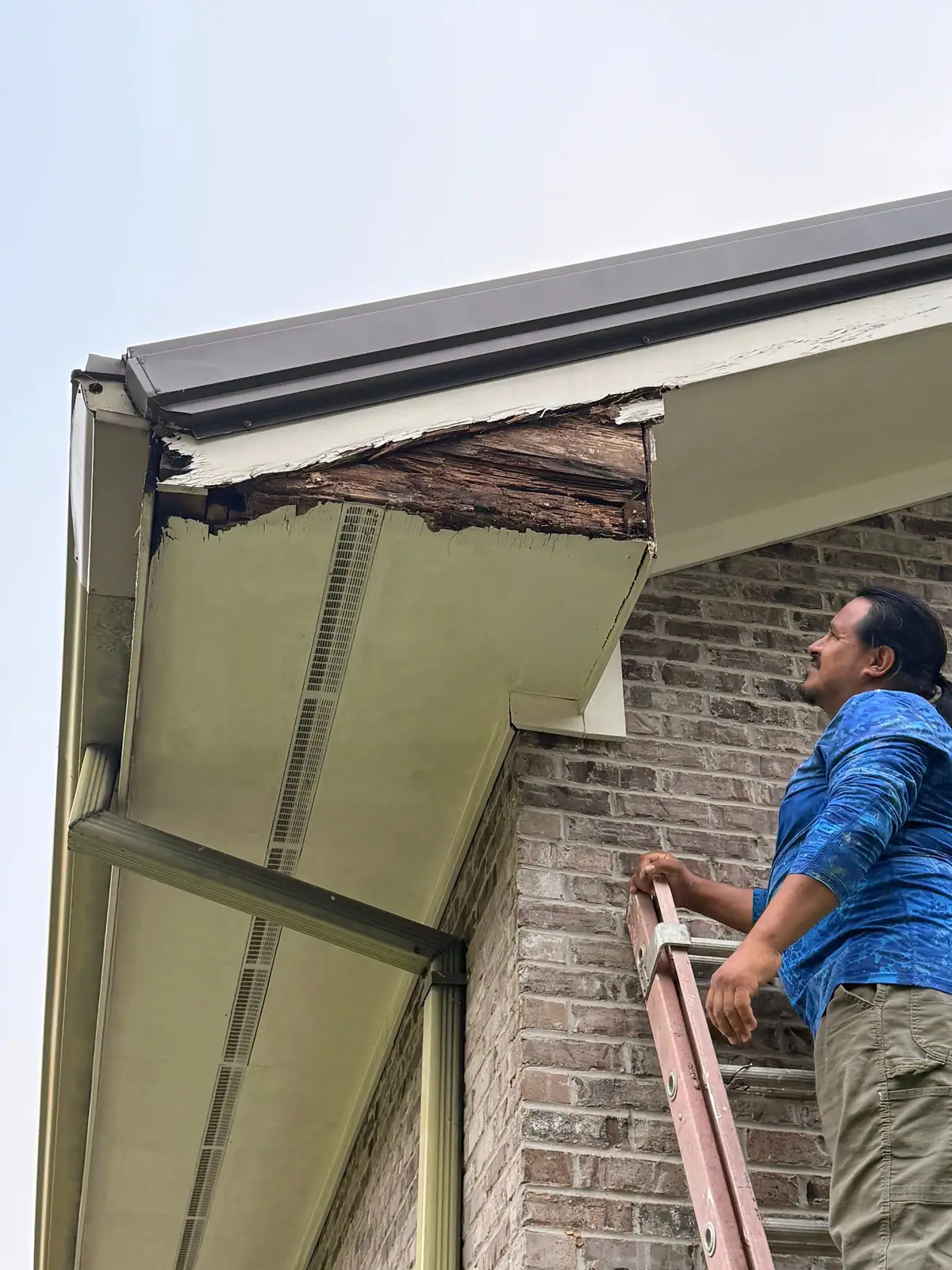
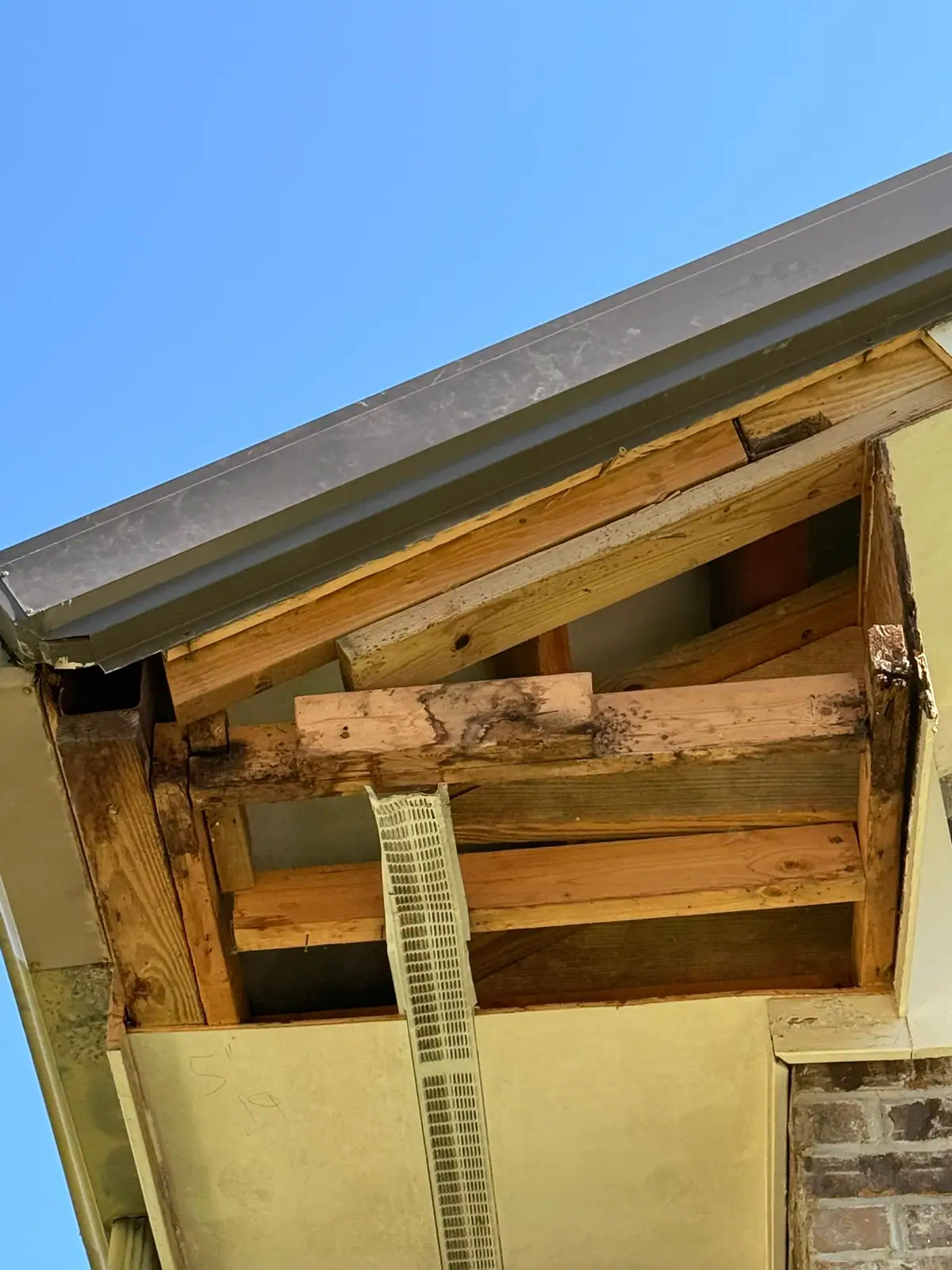
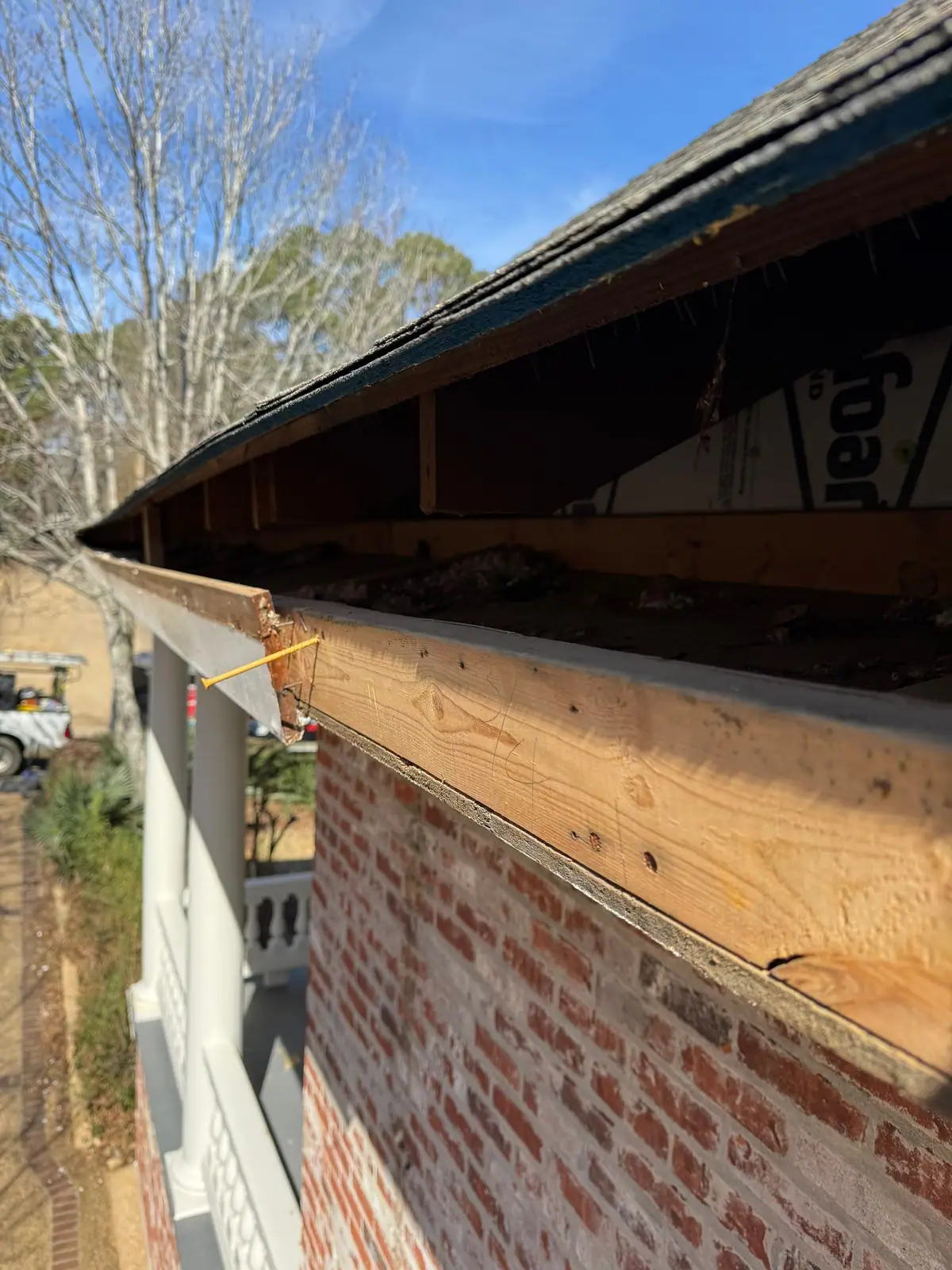
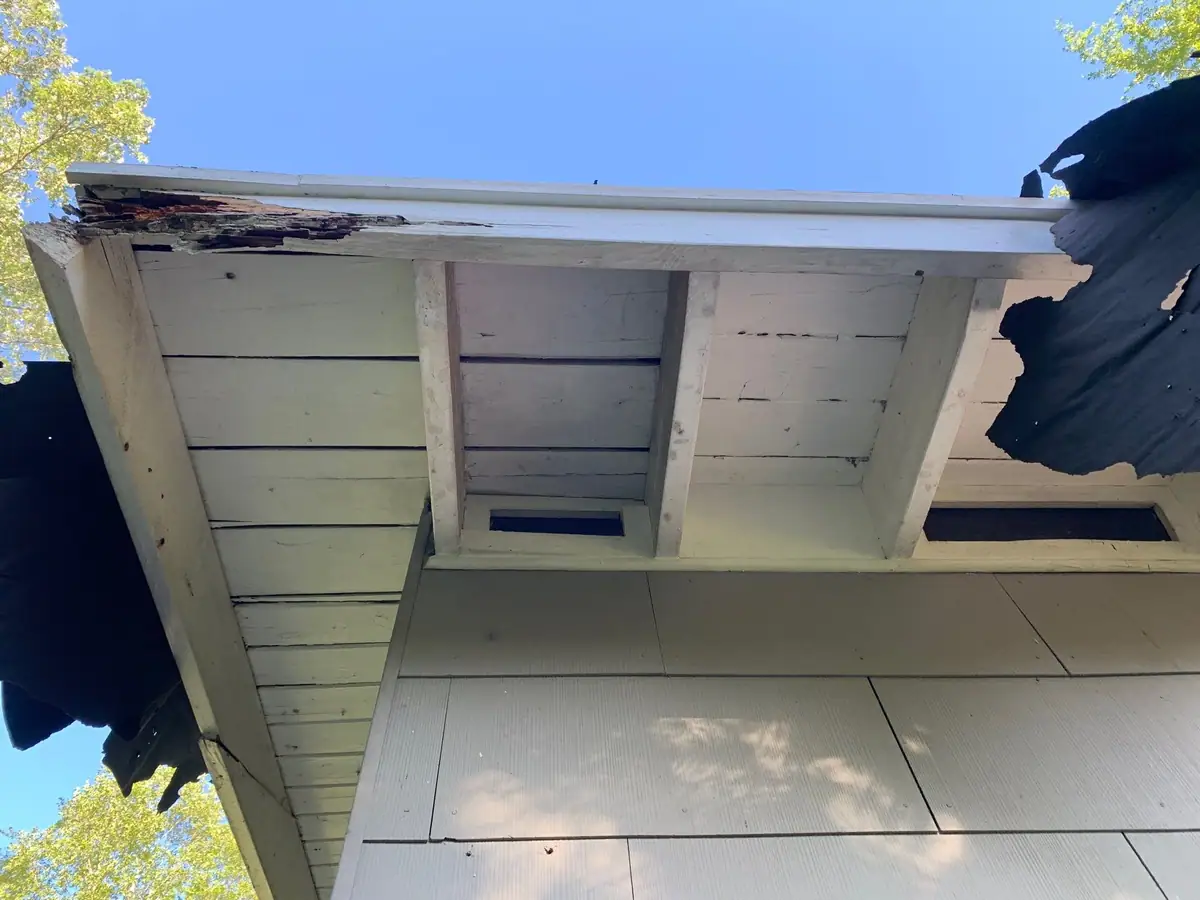
Water does almost all of it. The most common cause we find is a gutter that overflows or pitches the wrong way. Water spills over the back edge and soaks the fascia from behind after every rain. Missing drip edge does the same thing from the roof side.
Humidity finishes the job. Wood that never fully dries between summer storms stays soft, the paint lets go, and rot moves along the board out of sight.
Fixing the board without fixing the water is a repair you pay for twice. We find the source first.
One building
Fascia and Soffit Repair, Before and After
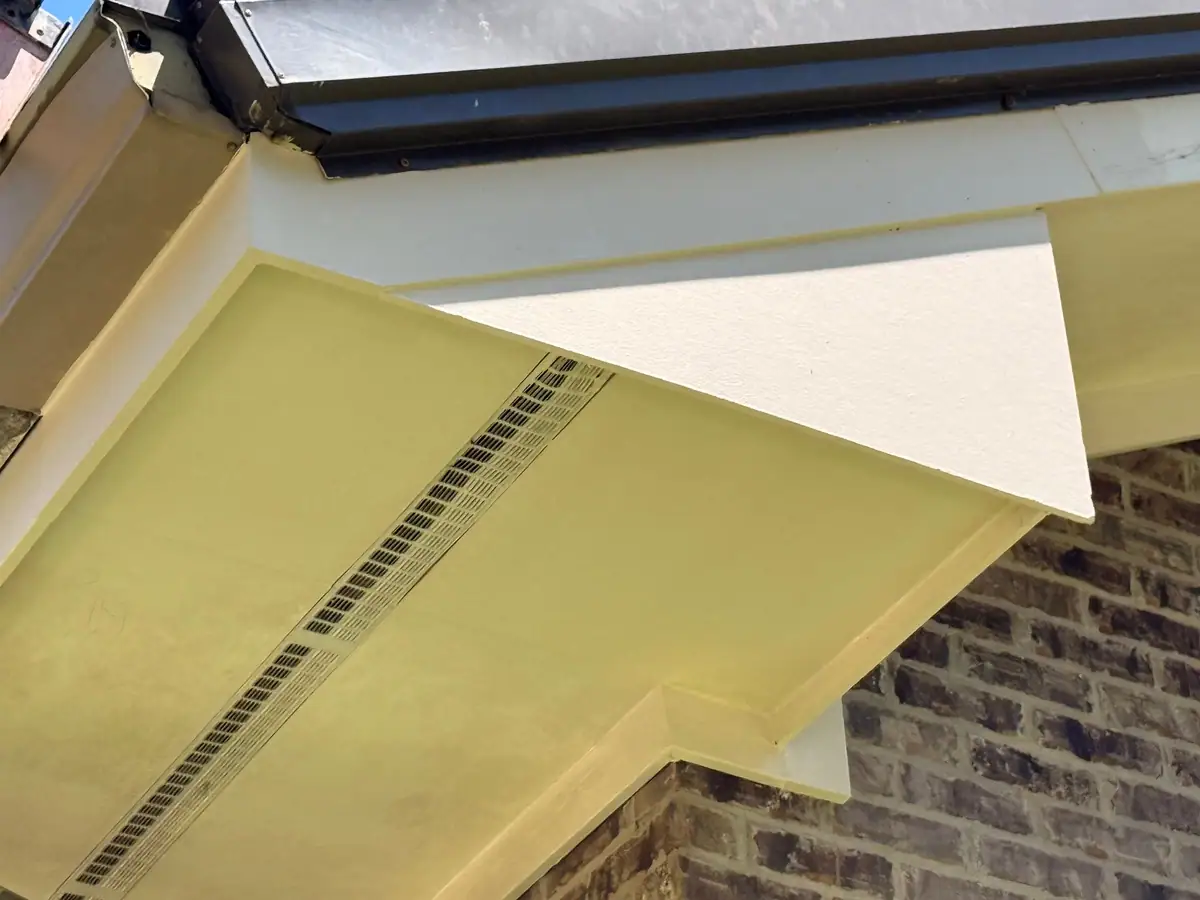
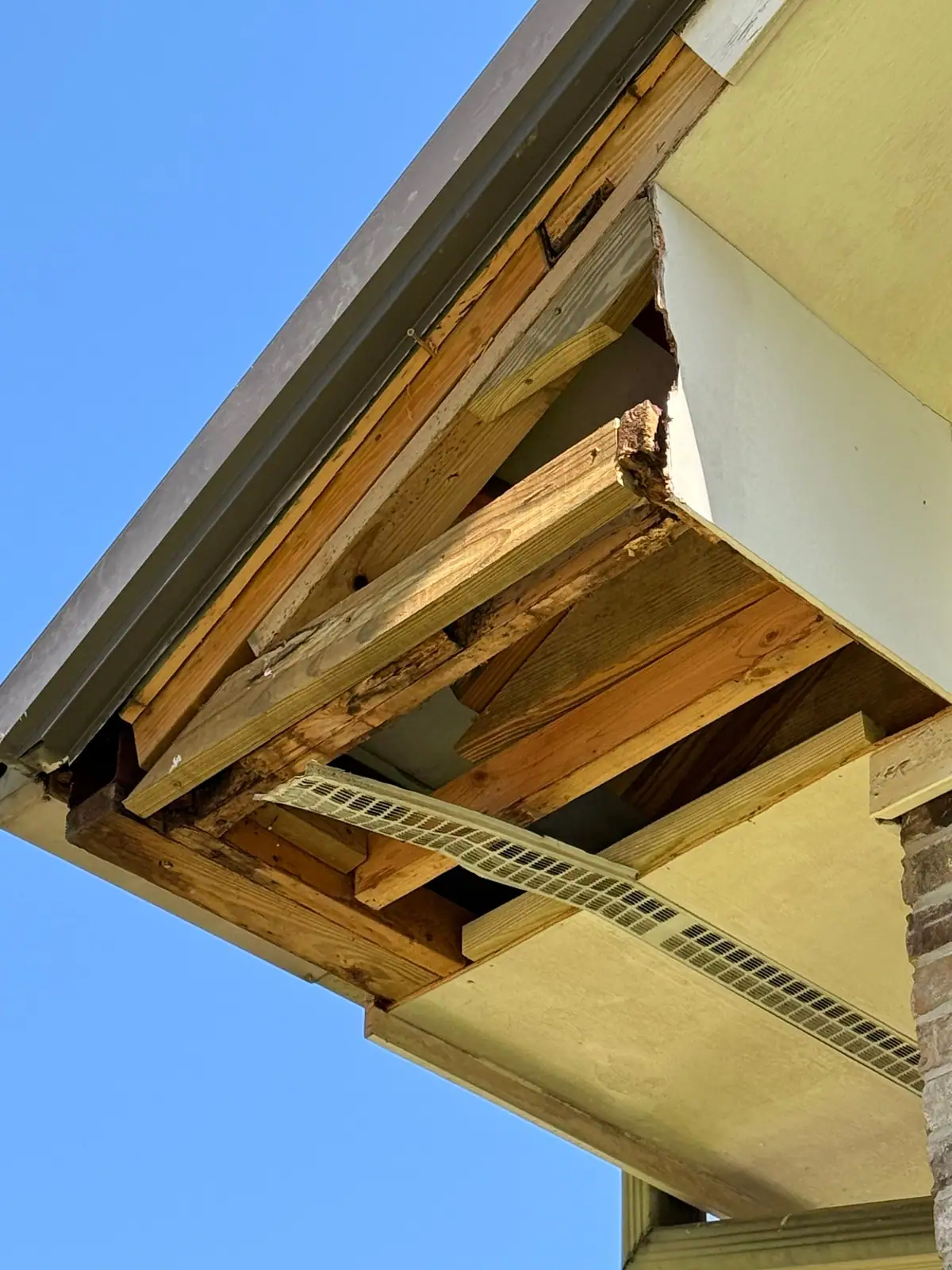
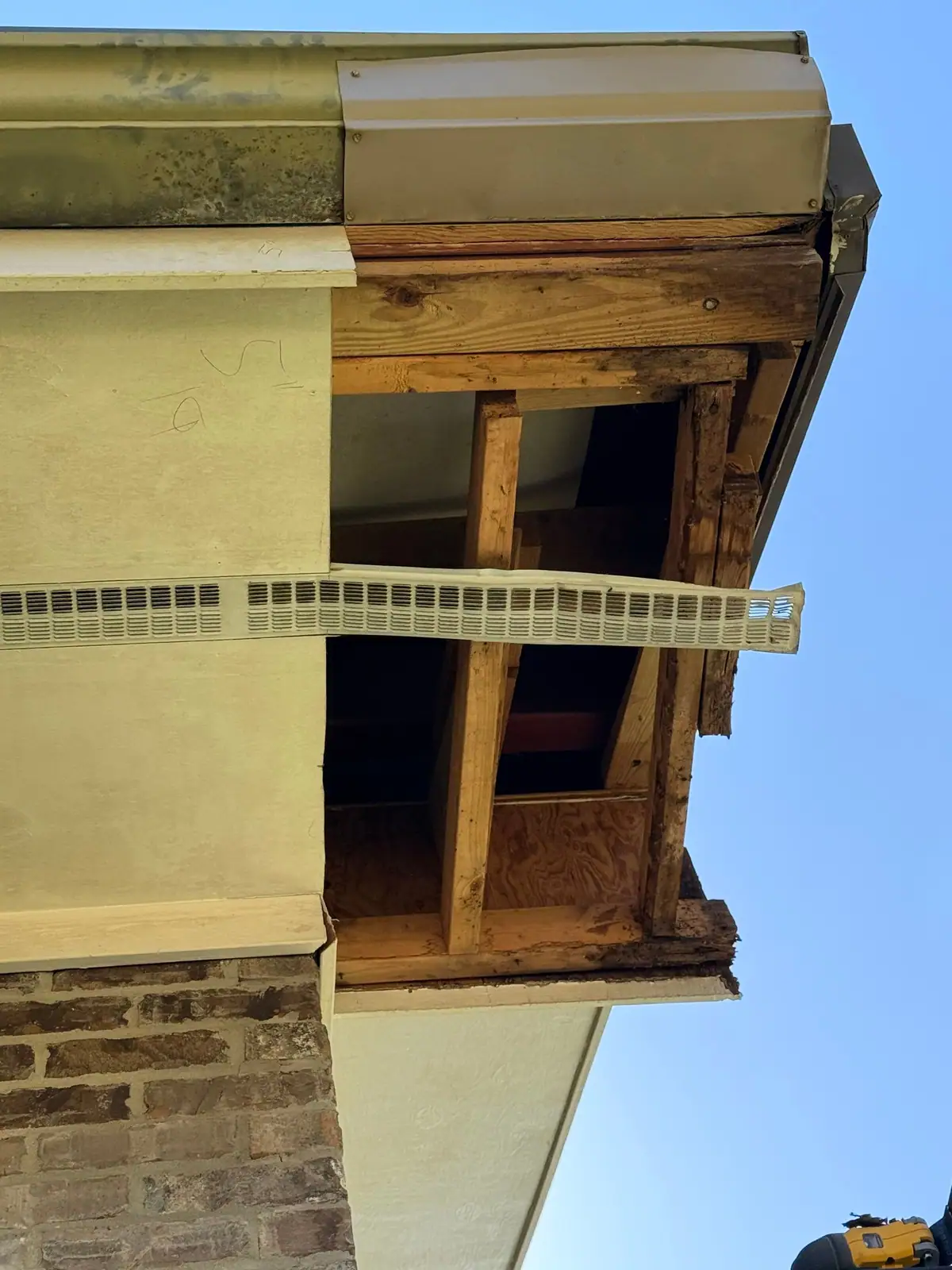
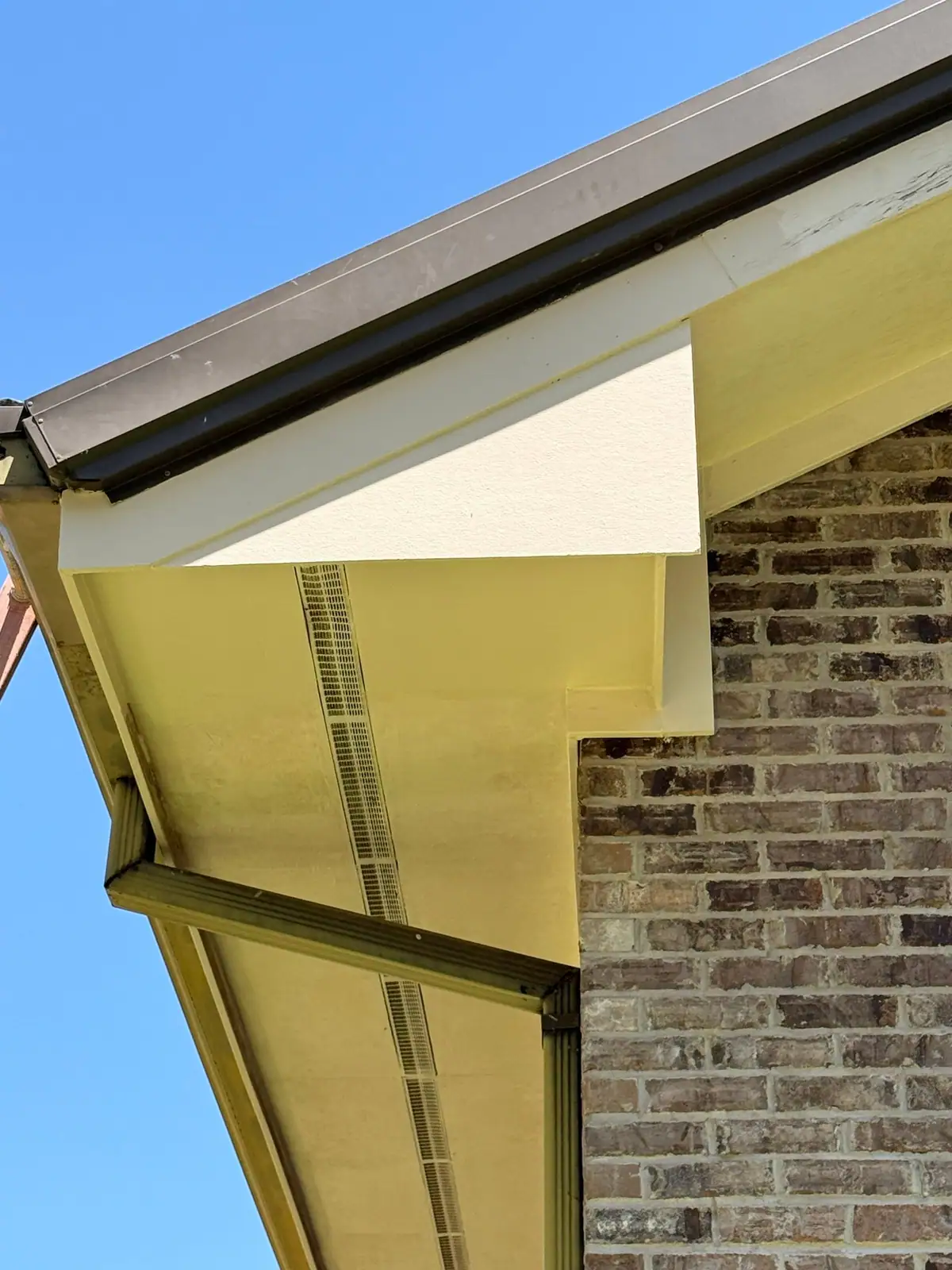
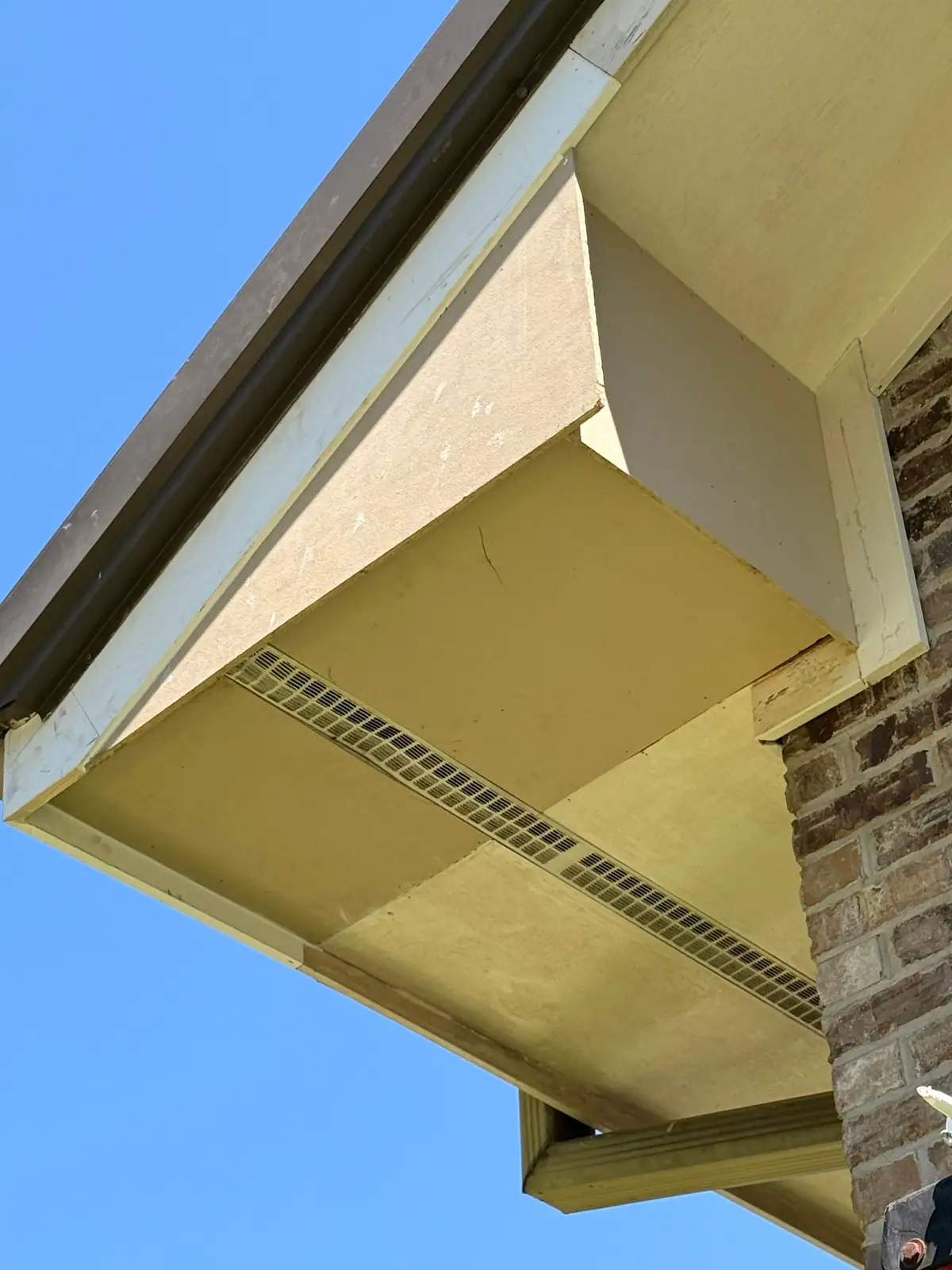
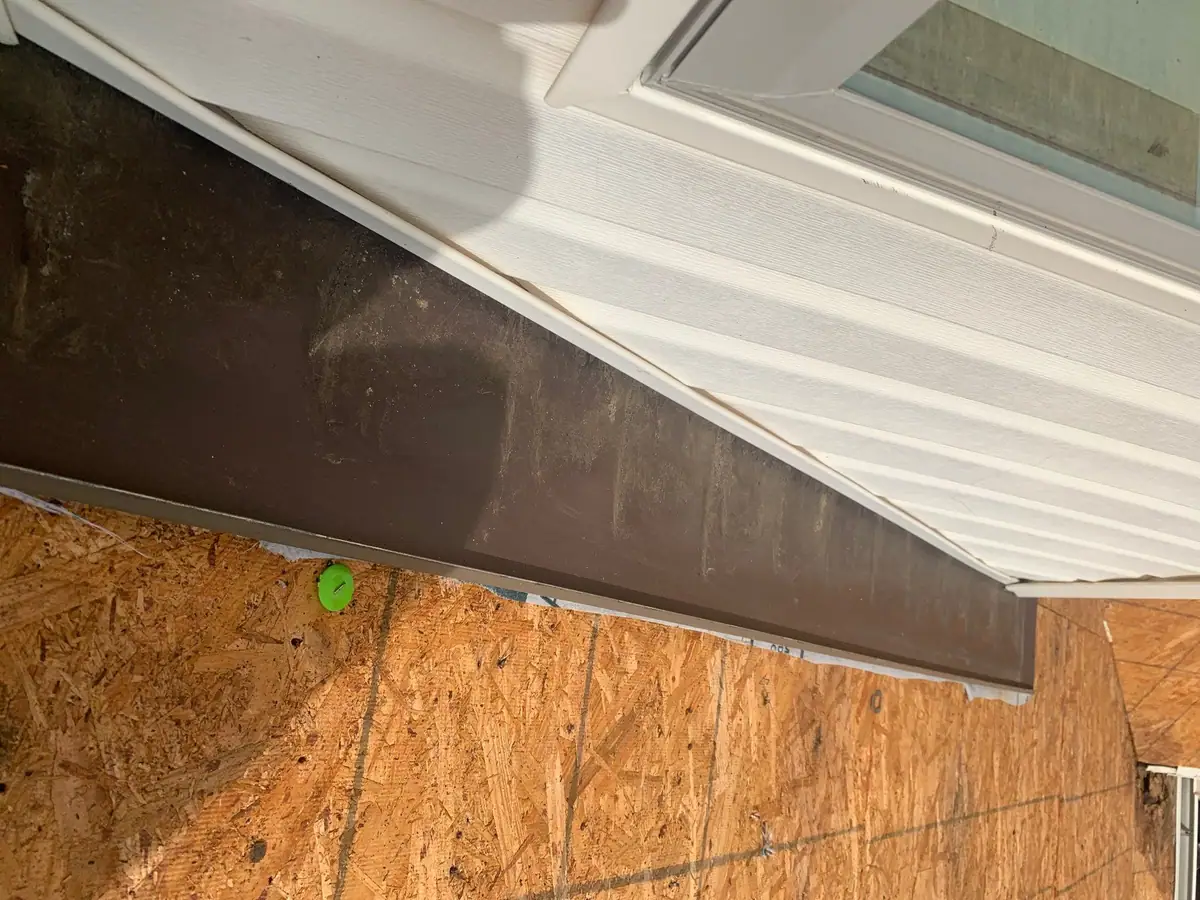
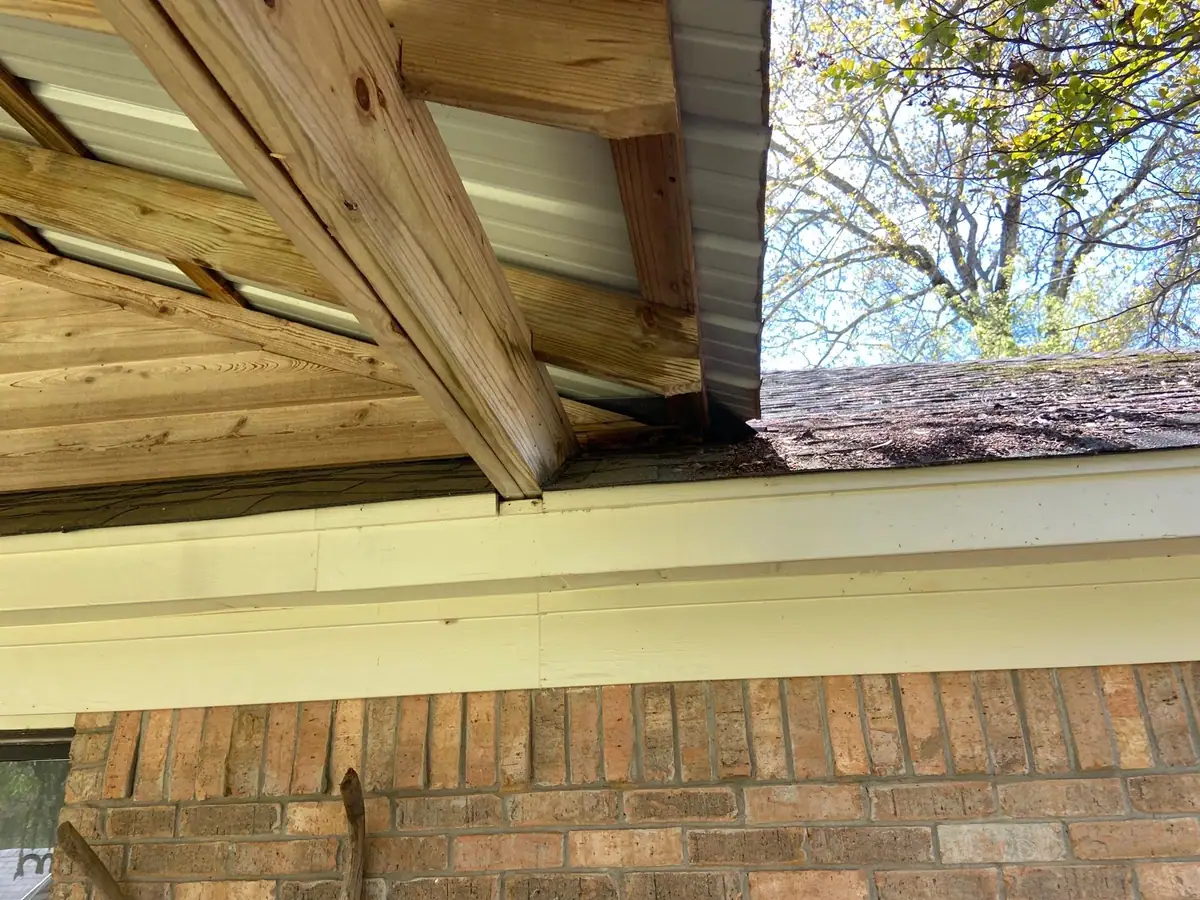
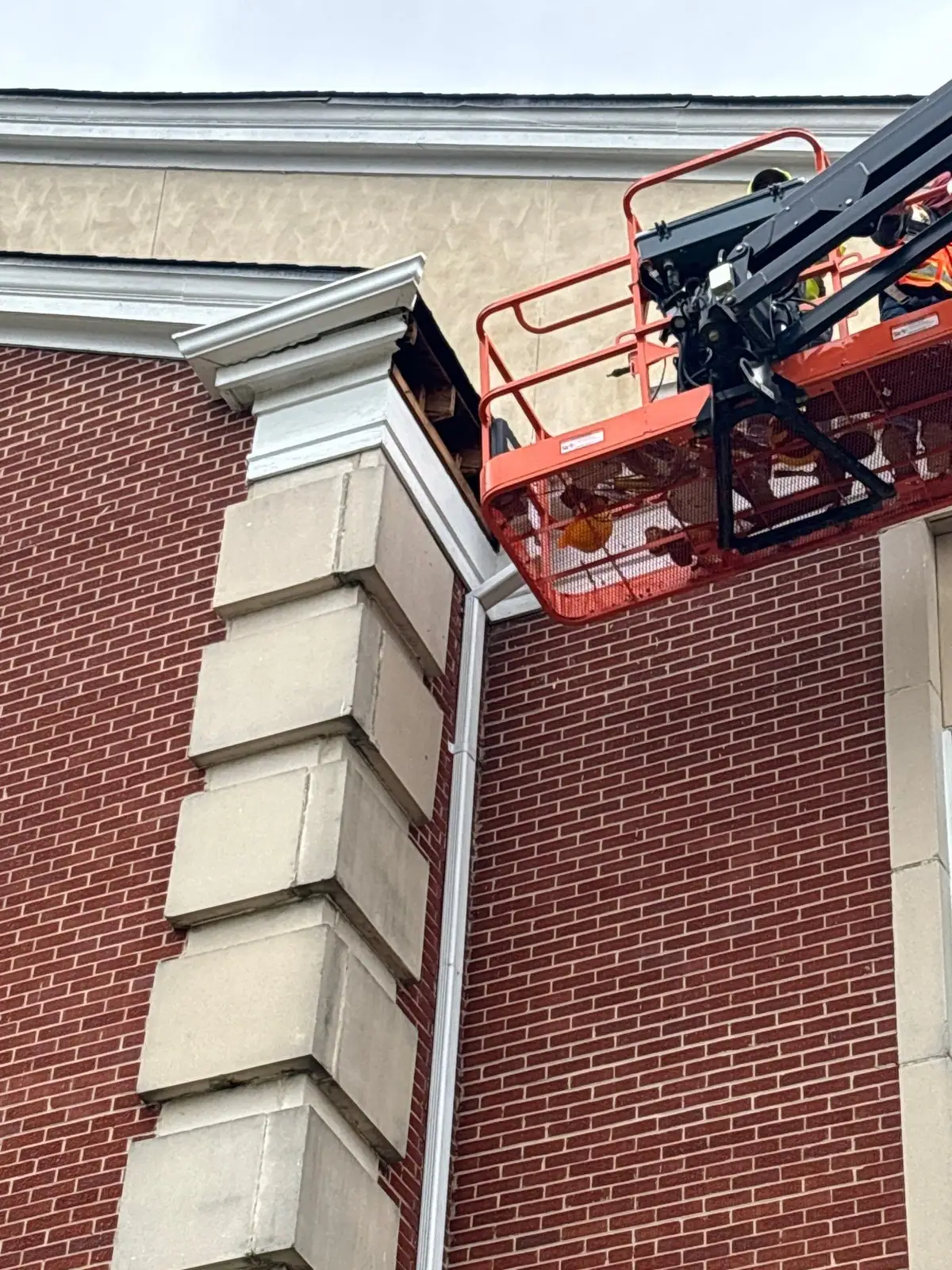
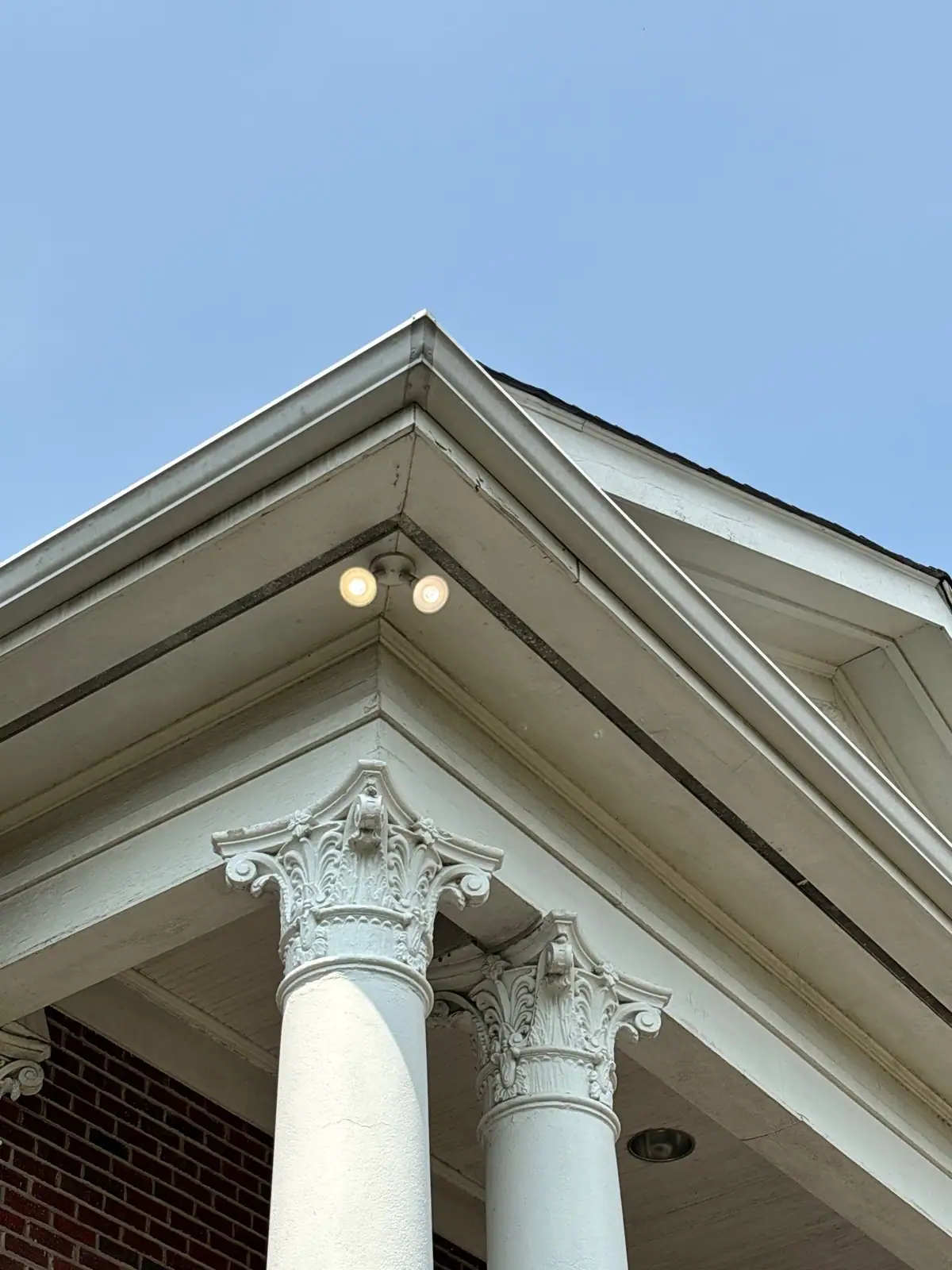
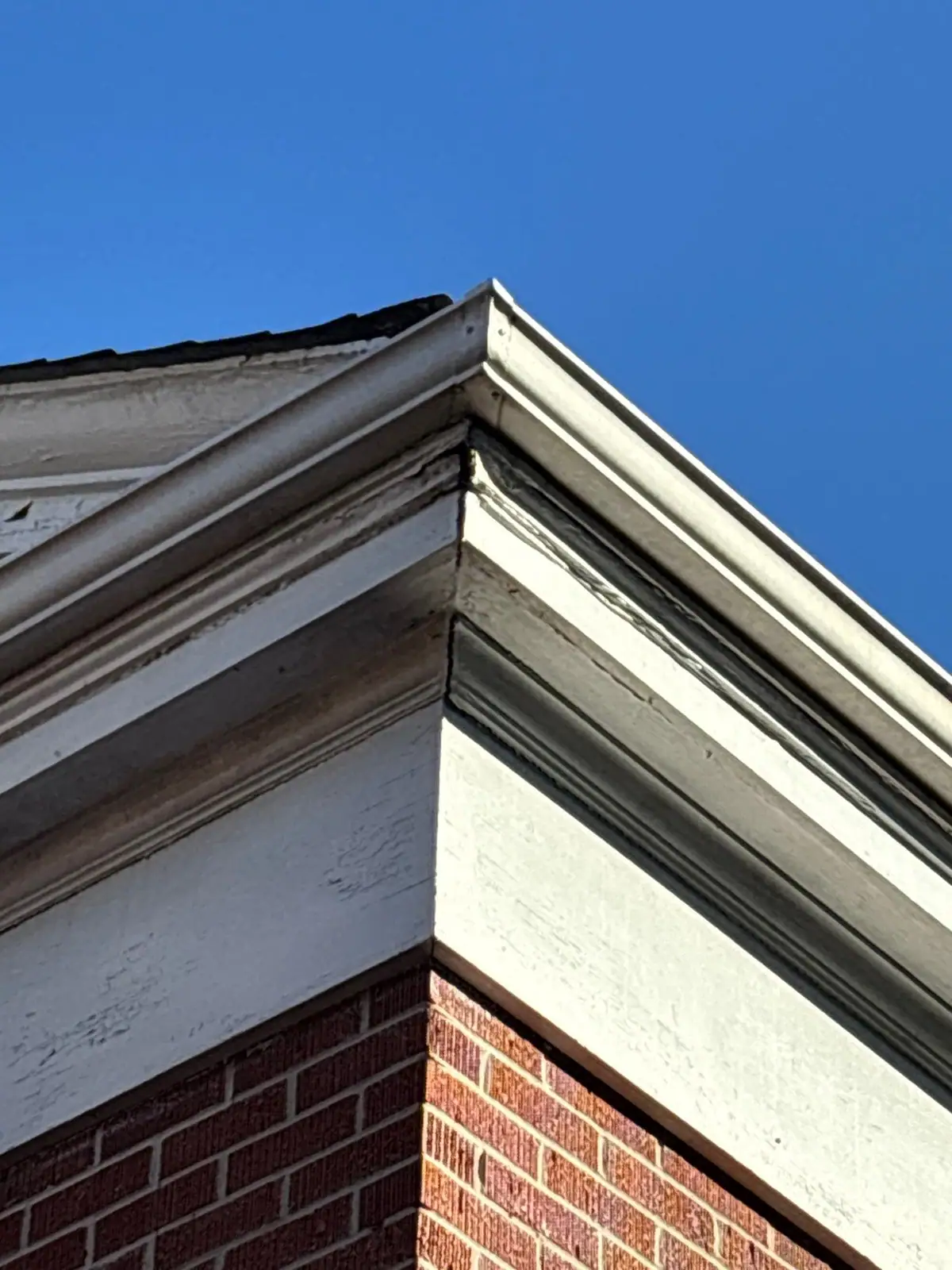
These four photos are from one church job. The old soffit came down, the rotted framing behind it was rebuilt, and new soffit went back up with a continuous vent strip.
What to look for
Signs Your Fascia or Soffit Needs Repair
Most of these show from the ground if you know where to look.
- Paint peeling or blistering along the fascia board
- A gutter pulling away from the house or sagging at one end
- Stains, sagging or soft spots in the soffit
- Gaps or holes where birds, squirrels or wasps are getting in
- Wood that gives when you press a screwdriver into it
Hidden damage
Rot We Find Behind the Trim
Ventilation
Vented Soffit and Attic Airflow
A roof needs to breathe. Cooler air comes in low through vented soffit, and hot, moist air leaves high through ridge or roof vents. That airflow keeps the attic cooler and helps keep moisture off the underside of the decking.
Many older houses have solid soffit, or vents painted shut or buried in insulation. The ridge vent has nothing to pull from. When we replace soffit, we fix the intake side with continuous vent strip or baffles, and any roof-side vent work goes in the same written scope.
After the storm
Storm Damage to Fascia and Soffit
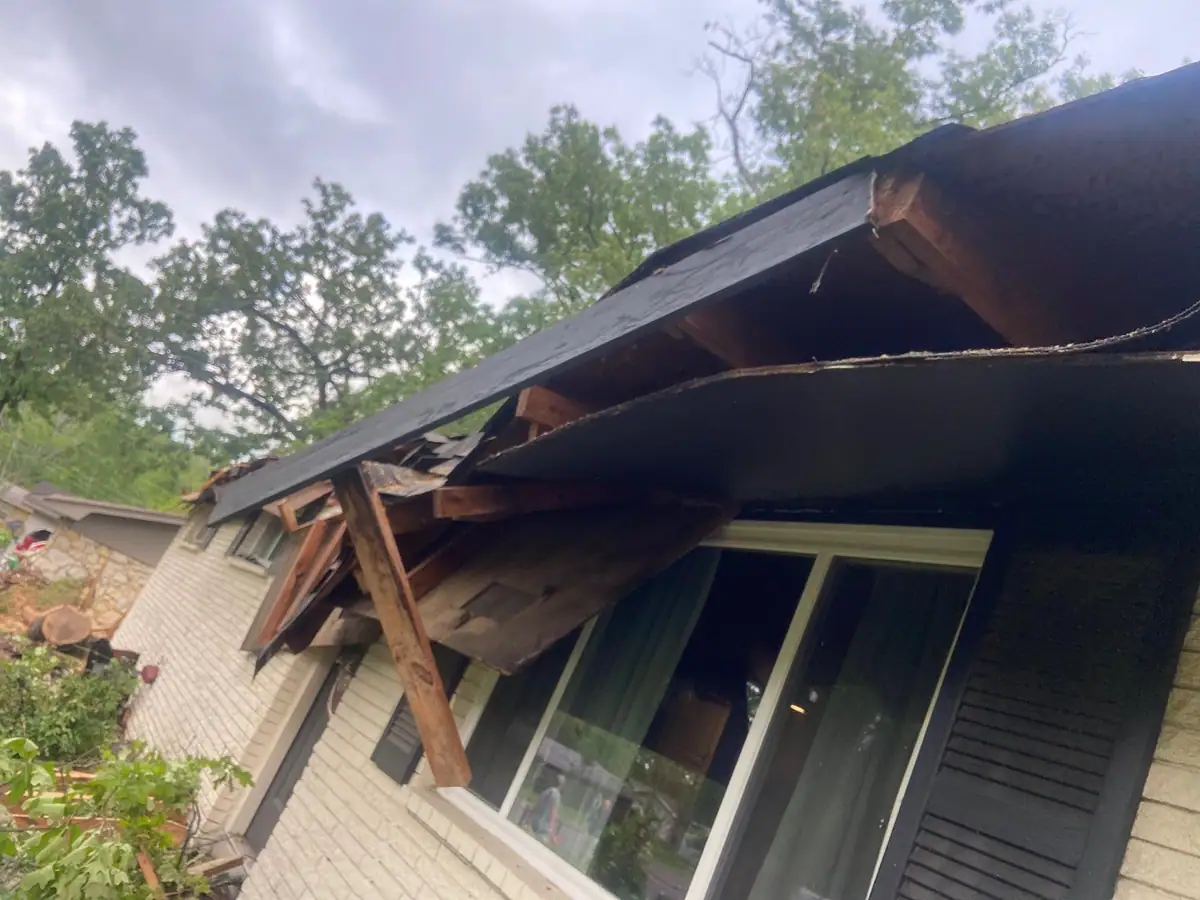
Wind and falling limbs hit the roof edge first. Storm damage to fascia and soffit is often part of a storm damage roof claim, and we photograph it the same way we document the roof.
Materials
Fascia and Soffit Materials
There is no single right material. It depends on the house, the look you want and how the edge gets wet.
Wood fascia
Traditional, and common on older homes and churches with detailed trim. It needs paint kept up, and it rots when water sits on it.
Aluminum wrap
Coil formed over a sound wood board, so the face never needs paint. Wrapping over rot only hides it, and we do not do that.
Vinyl and aluminum soffit
Vented and solid panels that hold up well to moisture and pests and make it simple to add intake air.
Matching what is there
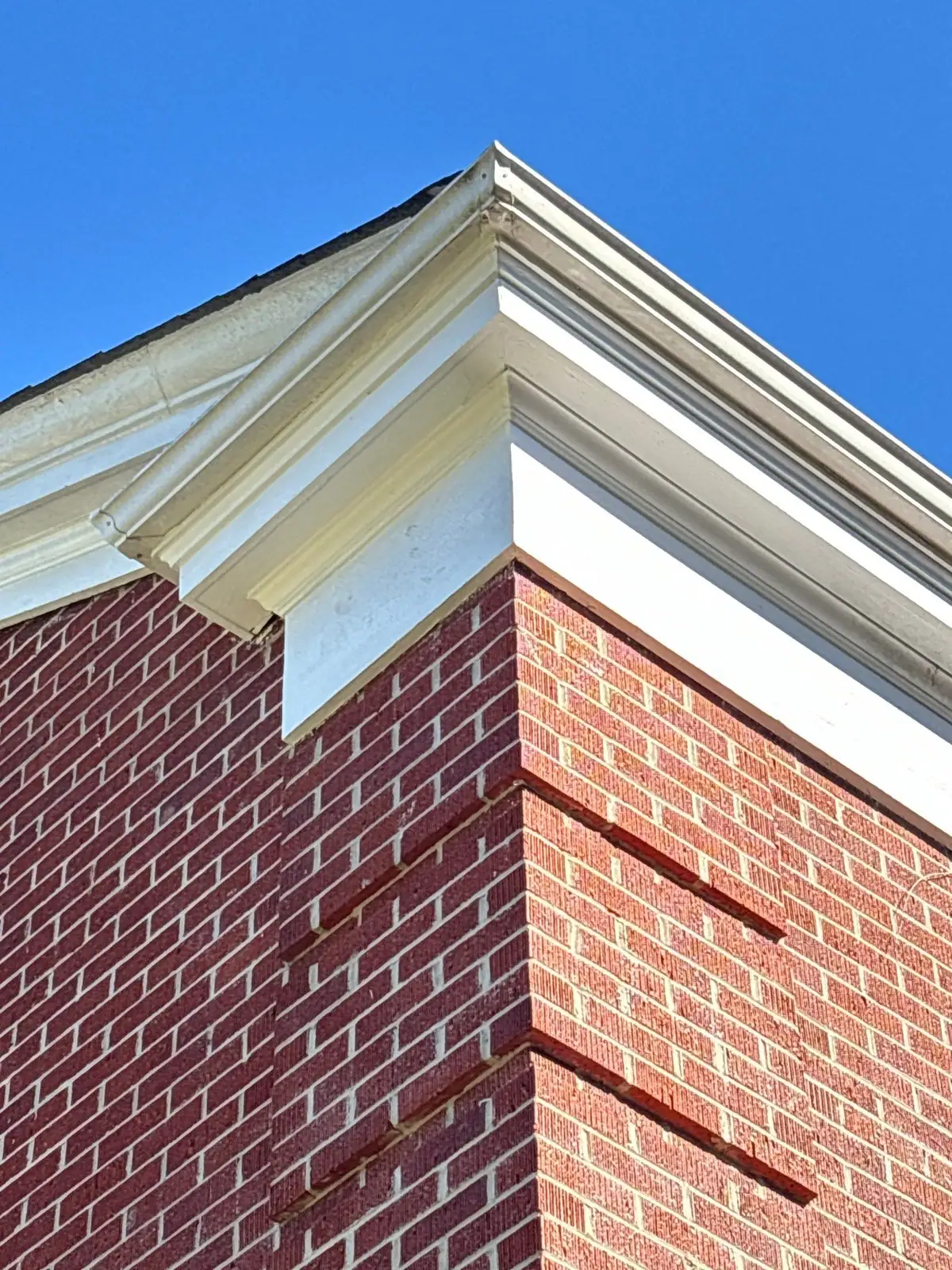
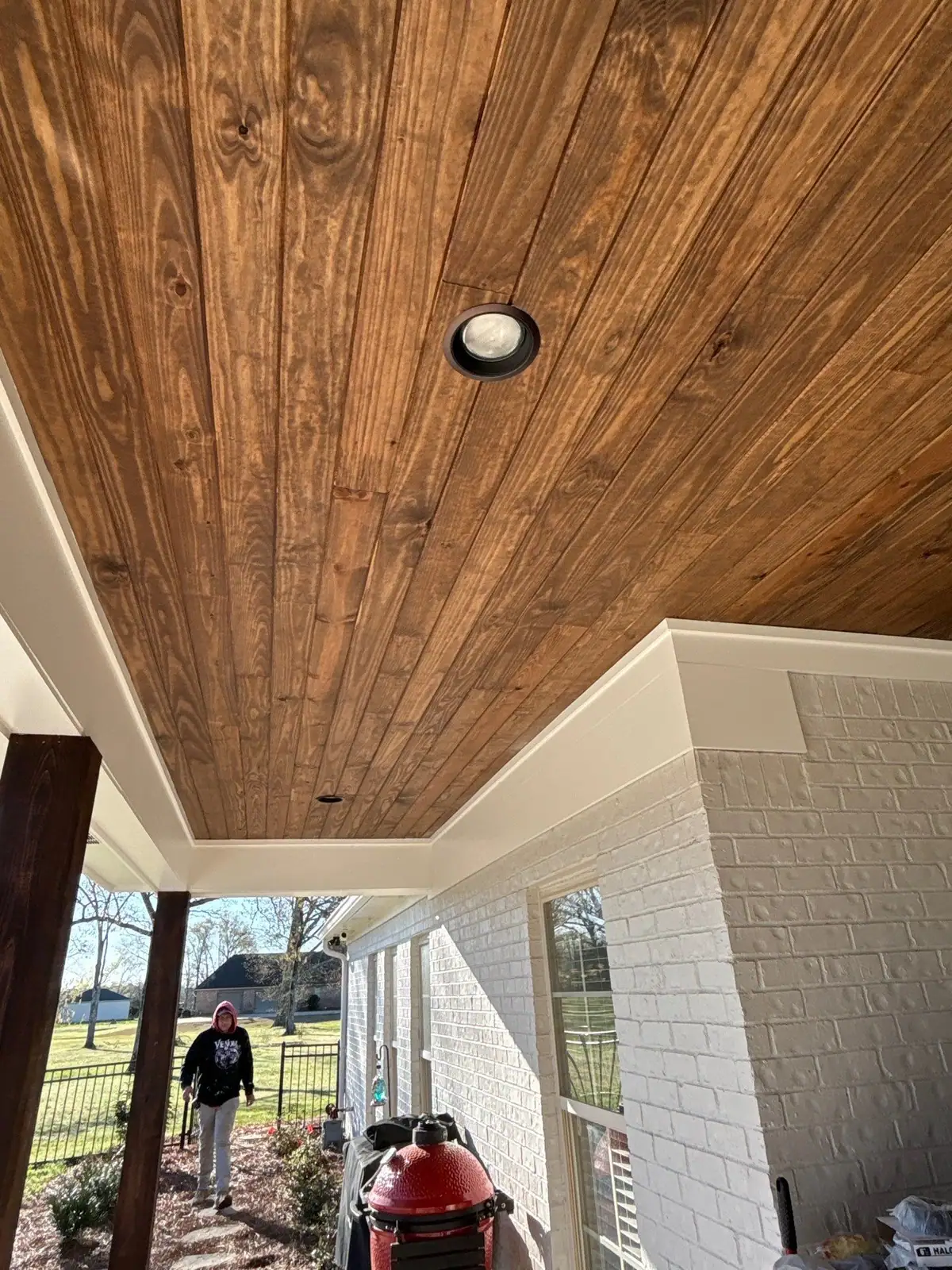
On historic trim, crown details and stained porch ceilings, we match the existing profile and finish.
In the field
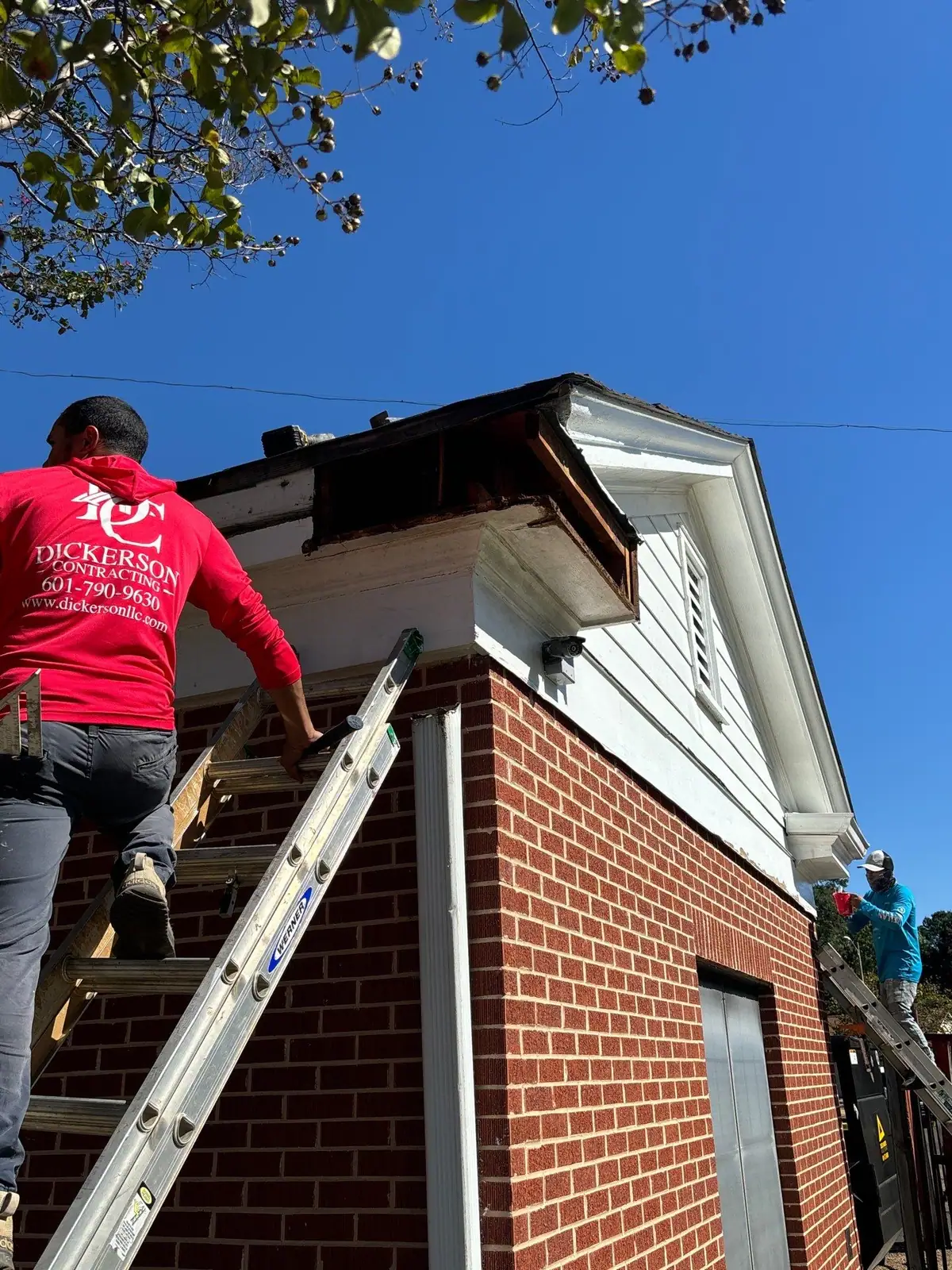
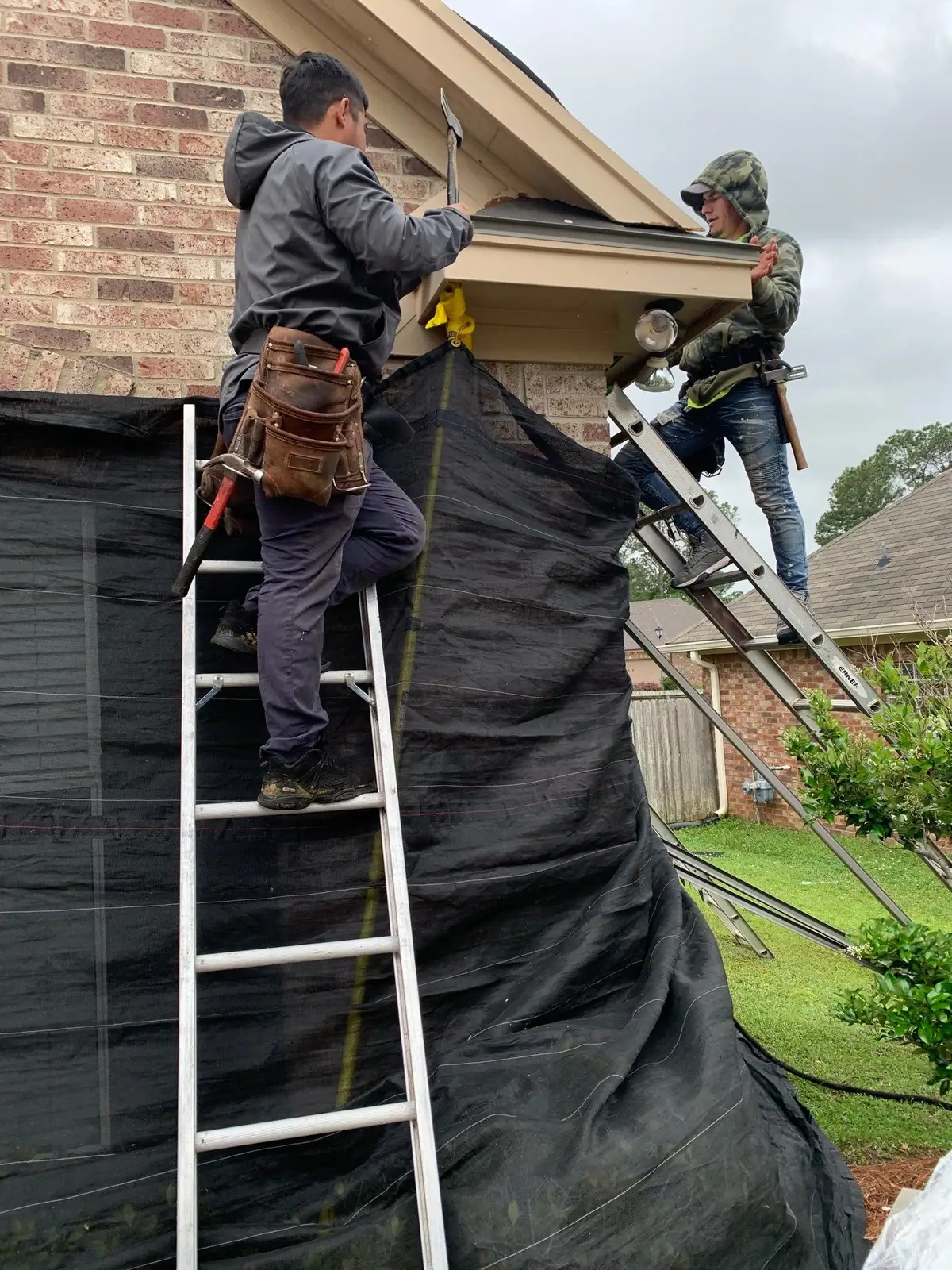
Our Crews at Work on the Roof Edge
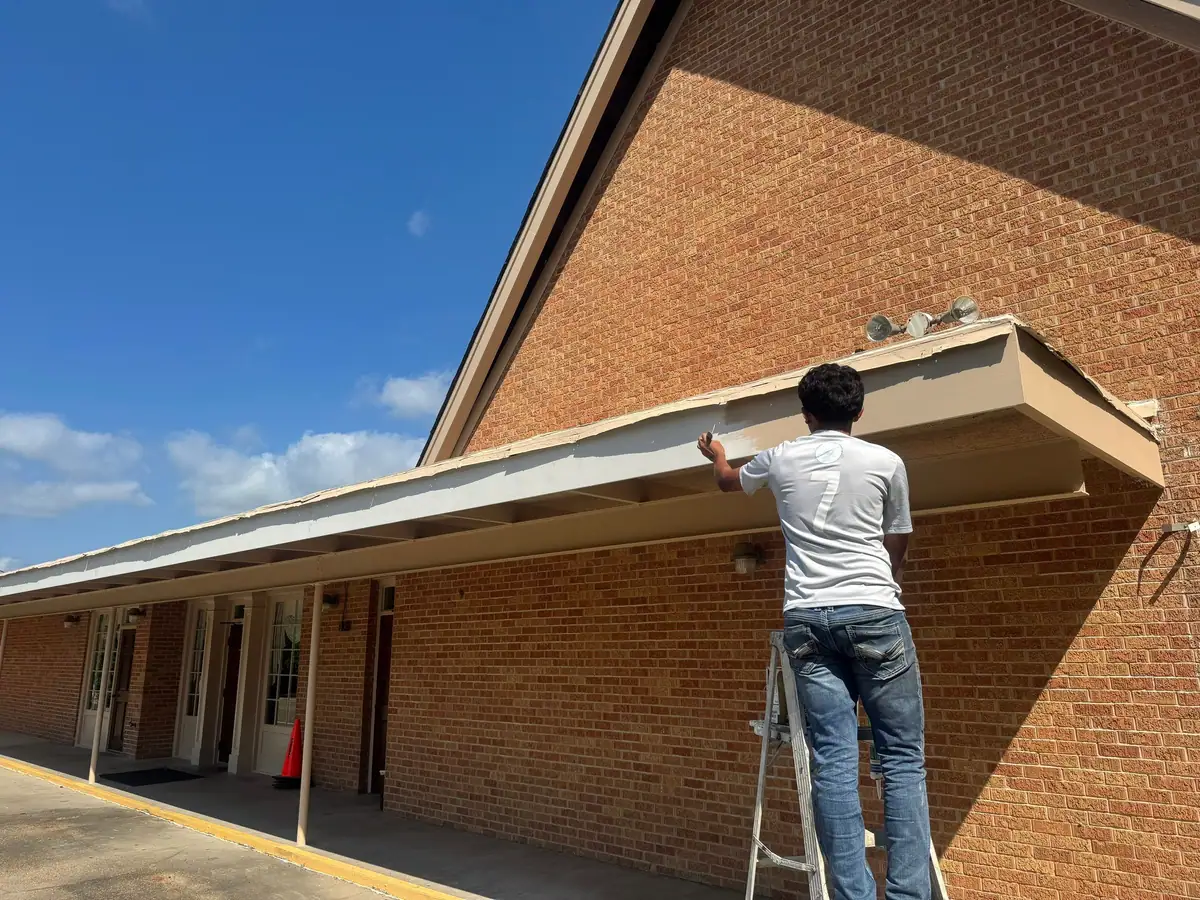
The same two crews have worked for Dickerson for nine years. They do the roof, and they do the edge.
Pests
Keeping Pests Out of the Soffit
A gap in the soffit is an open door to the attic. Squirrels chew through soft wood, birds nest behind broken panels, and wasps build behind the fascia. We close those openings with sound material and vented soffit that lets air in without leaving room for animals. If something is still living in the attic, have it removed before we seal the edge.
Repair or replace
Fascia and Soffit Repair or Replacement
Not every soft board means a full tear-out. We tell you which one your house needs and show you why.
- Repair when the rot is limited to a few sections and the framing behind it is sound
- Repair when a storm or a limb damaged one area of an otherwise healthy roof edge
- Replace when rot runs along most of the board or keeps coming back after repairs
- Replace when the soffit has no real ventilation and the attic needs more intake
We open one area, photograph what is behind it, and you see the findings before you approve more work. The written scope lists each run of fascia and soffit we plan to replace.
Finished work
Finished Trim and Cornice Work
With the roof
Fascia and Soffit With a New Roof
A roof replacement is the natural time to fix the edge. The old shingles and drip edge are already off and the fascia is exposed. Rotted boards get replaced before new drip edge and shingles go on, and any rot we find is its own line in the written scope.
Gutters come off for the same work. If yours overflow or pitch the wrong way, see gutter installation and repair, and we will scope the roof, the edge and the gutters in one visit.
Finished work
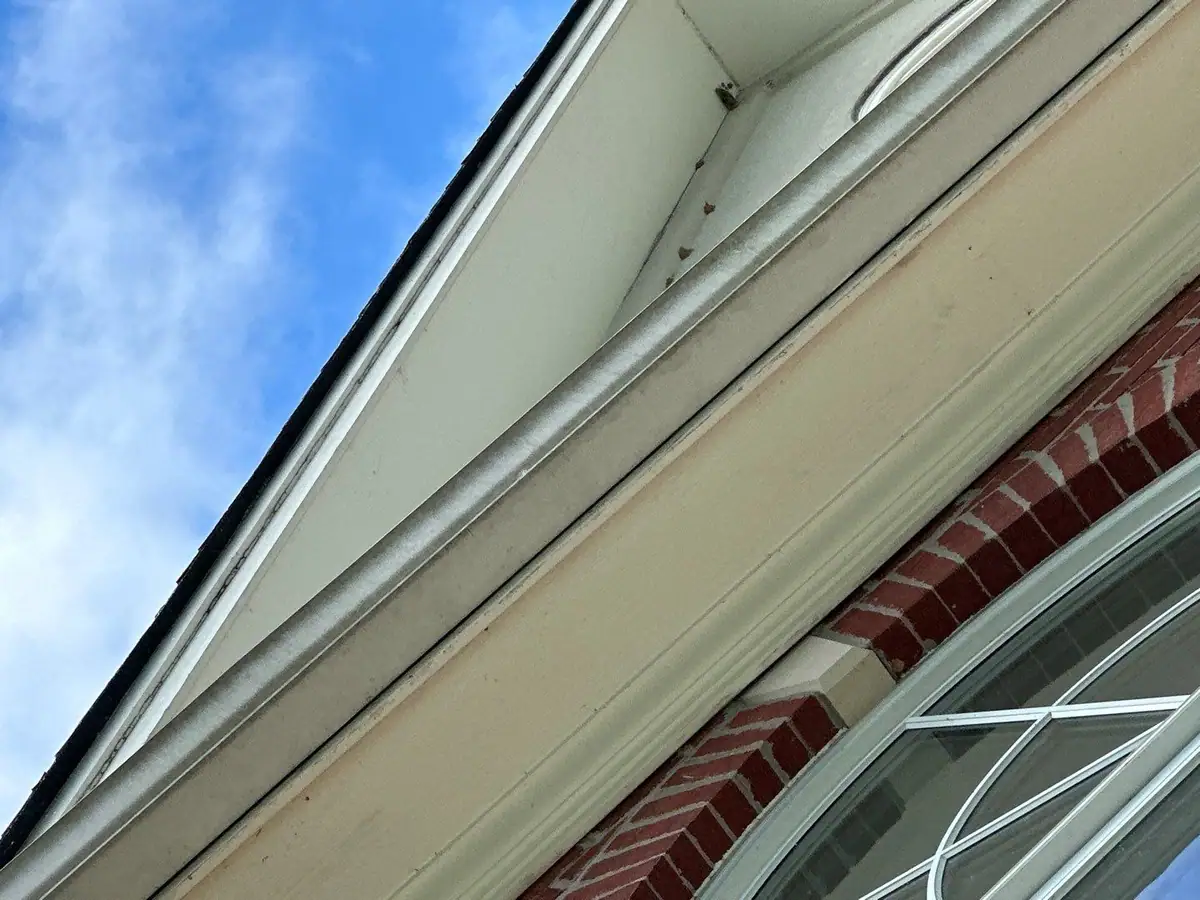
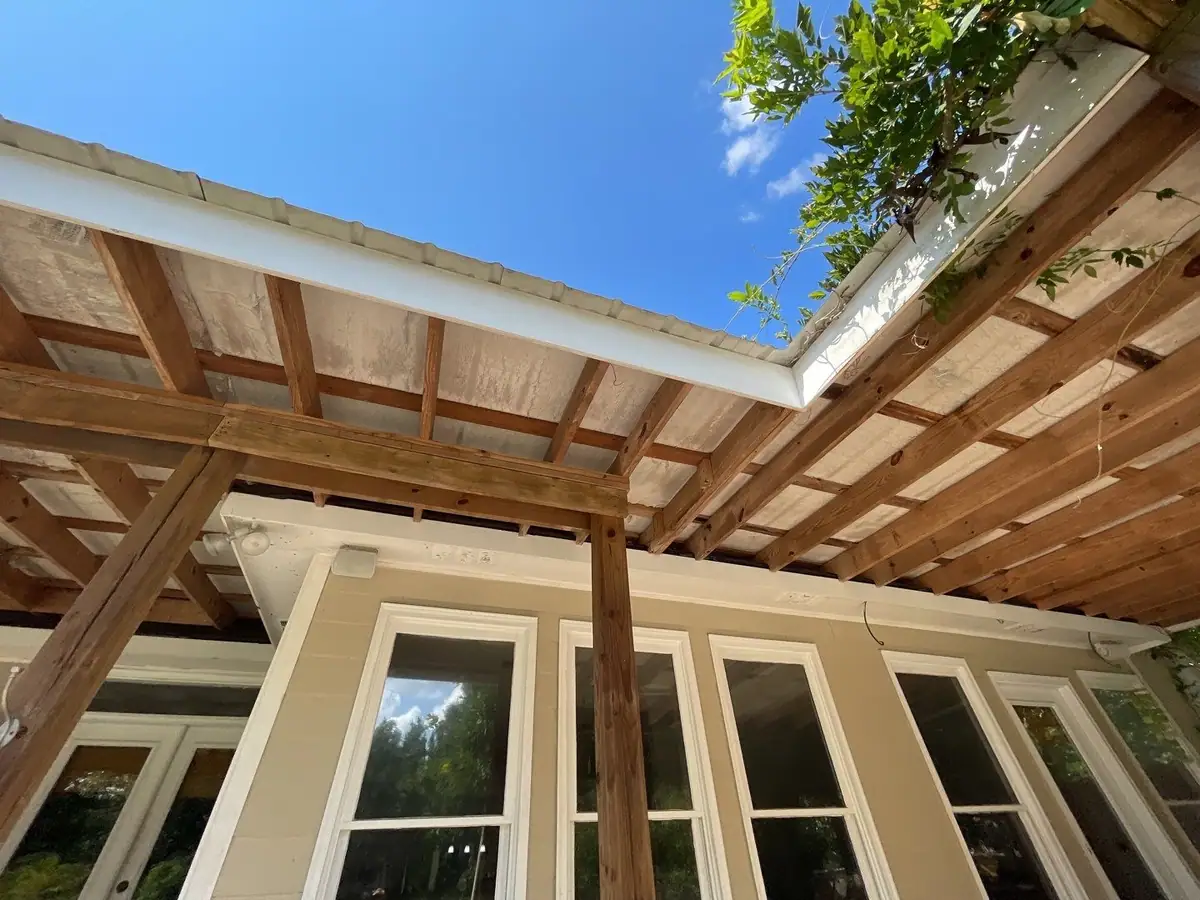
Finished Soffit on Homes and Porches
The quote
How Fascia and Soffit Work Is Quoted
The inspection is free, with photos you keep either way. Your written scope is itemized: which boards, which soffit sections, what material, and any vent or drip edge work. If we open an area and find more rot than expected, we stop and show you before the scope changes.
Dickerson Contracting holds MSBOC license 25203-MC and is 5 star rated across 100+ Google reviews. Call 601-724-4282 to set up an inspection.
More roofing services
Areas we serve
Common questions
What is the difference between fascia and soffit?
Fascia is the board along the roof edge that the gutter hangs on. Soffit is the panel under the overhang that closes it off and, when vented, lets air into the attic.
Can you replace fascia without replacing the roof?
Yes. Most fascia and soffit repairs are done on their own. If the drip edge or the first course of shingles is part of the problem, we include that edge work in the scope.
Do I need vented soffit?
Most attics need intake air at the eaves for the roof vents to work. We check your current ventilation and tell you if more intake would help.
Does insurance cover fascia and soffit damage?
Sometimes, when wind or a fallen limb caused it. Rot from long-term water is usually treated as maintenance. We document what we find either way, and on a covered claim you pay your deductible.
Don't know where to start?
Call the office, or tell us about the job online and get one written quote.