

Roofing
Storm Damage Roof Repair in Mississippi
What happens after hail or wind hits your roof, step by step: the free inspection, whether to file at all, the adjuster meeting, how the carrier pays, and the build. You decide whether to open a claim. We document either way.
On the roof
You Do Not Have to File a Claim to Get a Look
After hail or wind, the first job is finding out whether the roof is actually damaged. The inspection is free and commits you to nothing, and plenty of storms leave a roof that is fine.
If we find damage, we tell you roughly how it compares to a typical deductible before you call anyone. You decide whether to file. We document either way, and you keep the photo report.
We work from 721 Liberty Rd in Flowood, serving central Mississippi. Call 601-724-4282 after a storm and we will tell you honestly when we can get out.
We set expectations up front and we do not over-promise. You approve every dollar before it becomes a bill.
Credentials
Licensed through the Mississippi State Board of Contractors, license 25203-MC. BBB accredited with an A+ rating since 2018. Home Builders Association and Rankin County Chamber members.



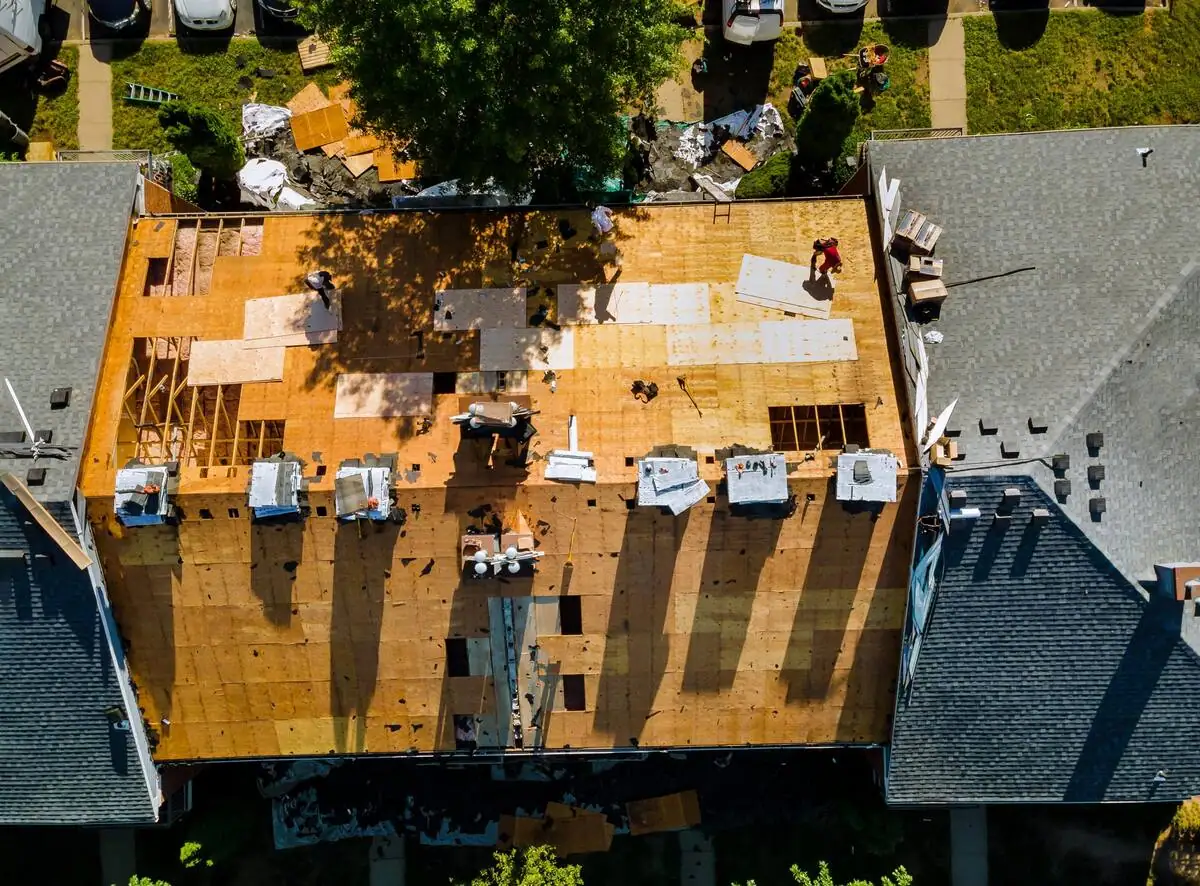
After the storm
Repair Versus Full Roof Replacement After a Storm
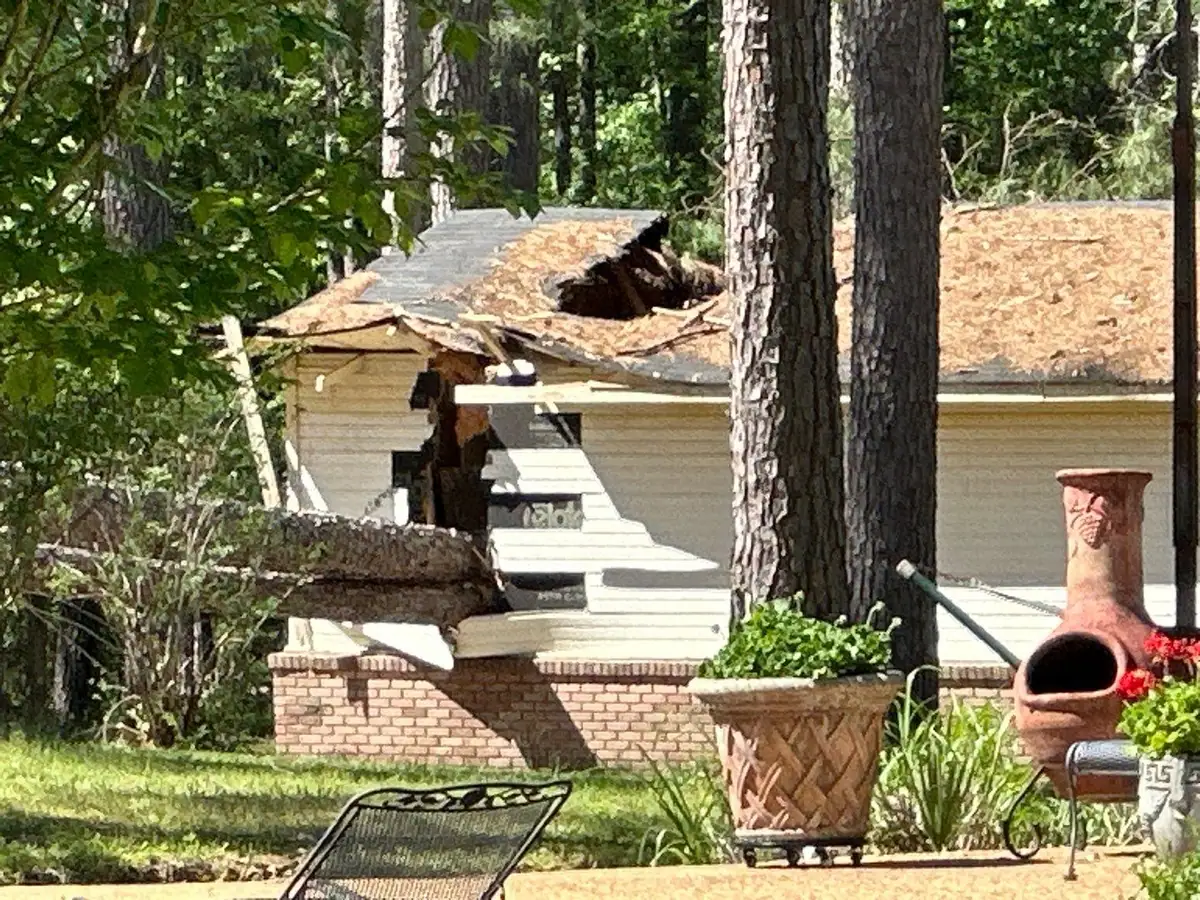
Some storms leave honest localized repair: a few squares of impact, a damaged valley, a cluster of missing tabs on an otherwise sound roof. Storm damage roof repair then means matching materials, correcting flashings and restoring weather tightness.
Other storms, or storms on older roofs, make full replacement the only path that protects the house: widespread bruising, multiple slopes hit hard, or a shingle field already near end of life. We say which path we recommend and why.
Full steep-slope systems after storms follow our residential roofing standards and manufacturer requirements. Smaller non-storm leaks go through roof repair.
Step by step
How a Roof Claim Actually Works
Most homeowners have never filed a roof claim. Here is the whole path, including where the money moves.
- Get the roof inspected first. Before calling the carrier, have a licensed contractor confirm whether there is damage and roughly what it amounts to.
- Decide whether to file. A claim usually makes sense only if the damage clearly exceeds your deductible. If not, we quote the repair.
- Call your agent or carrier. They set an adjuster appointment. Tell them your contractor will be there.
- We meet the adjuster on the roof. Two sets of eyes on the same slopes, with our photo report in hand.
- The carrier writes the estimate. Your first check is usually the ACV amount, less your deductible and any recoverable depreciation.
- Your mortgage company may need to endorse the check. It often delays scheduling, so send it off early.
- We agree the scope and schedule the build. You get a written scope before anything starts.
- Tear-off, build, and any supplement. Hidden damage such as soft decking gets photographed and submitted. Approved supplements release the rest of the money, and the final invoice follows the final check.
On a covered claim, your out-of-pocket cost is your deductible plus any upgrades you chose. Premiums, depreciation rules and policy limits are between you and your carrier. We are the contractor, not your public adjuster.
On the roof
Keeping the Water Out While the Claim Moves
Carriers take time to schedule an adjuster and materials take time to arrive. A tarp or emergency dry-in keeps the inside of the house dry in the meantime. It is not the repair, and it needs checking if the weather keeps coming.
Safety decides what we can do. A steep roof, an active storm or a structure that fails a basic check means waiting, because we will not put a crew on a roof that is not safe to work.
If somebody has already tarped it, tell us. Sometimes a tarp holds water on the roof instead of shedding it, and we want to know before we plan the permanent fix.
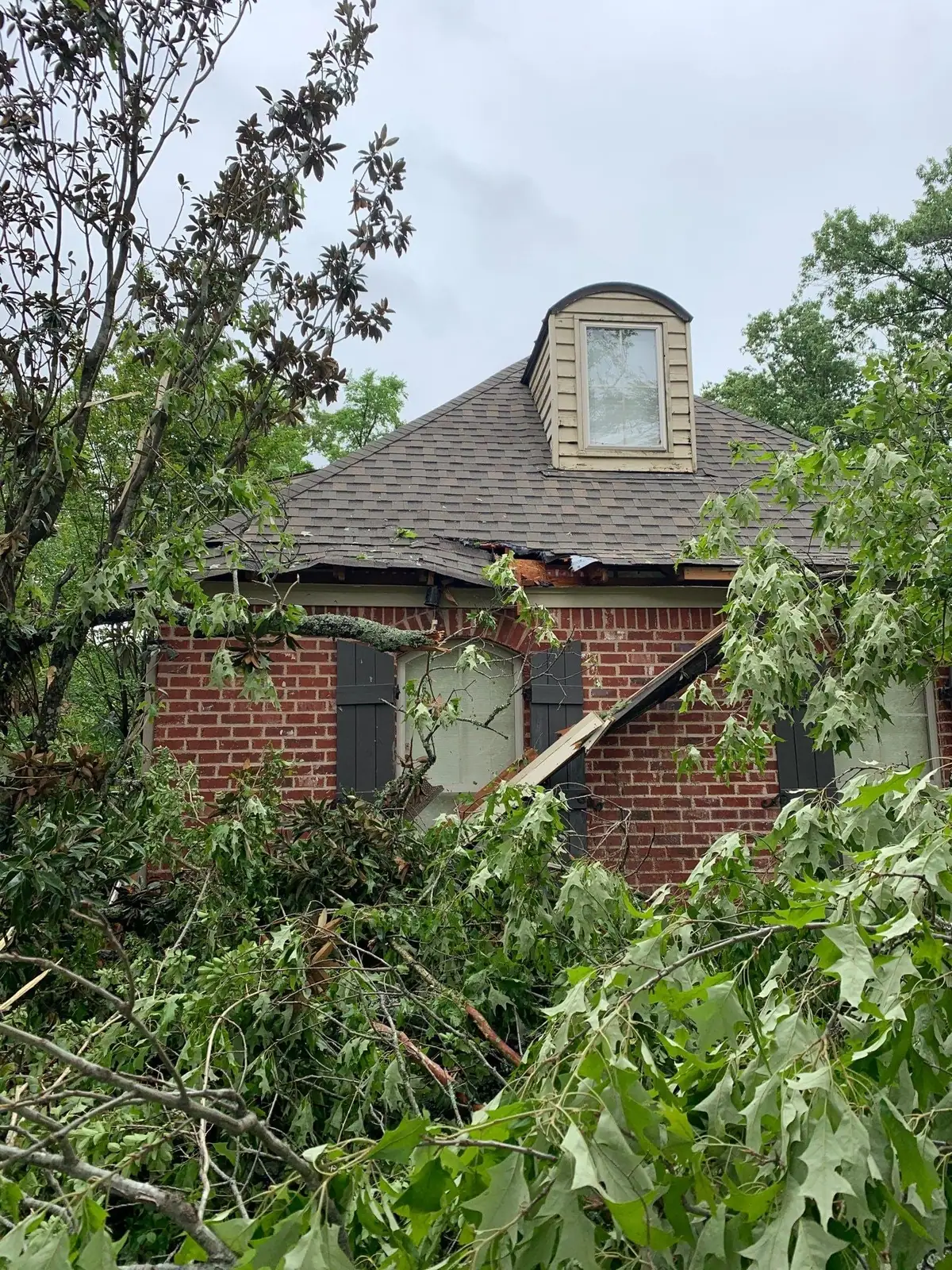
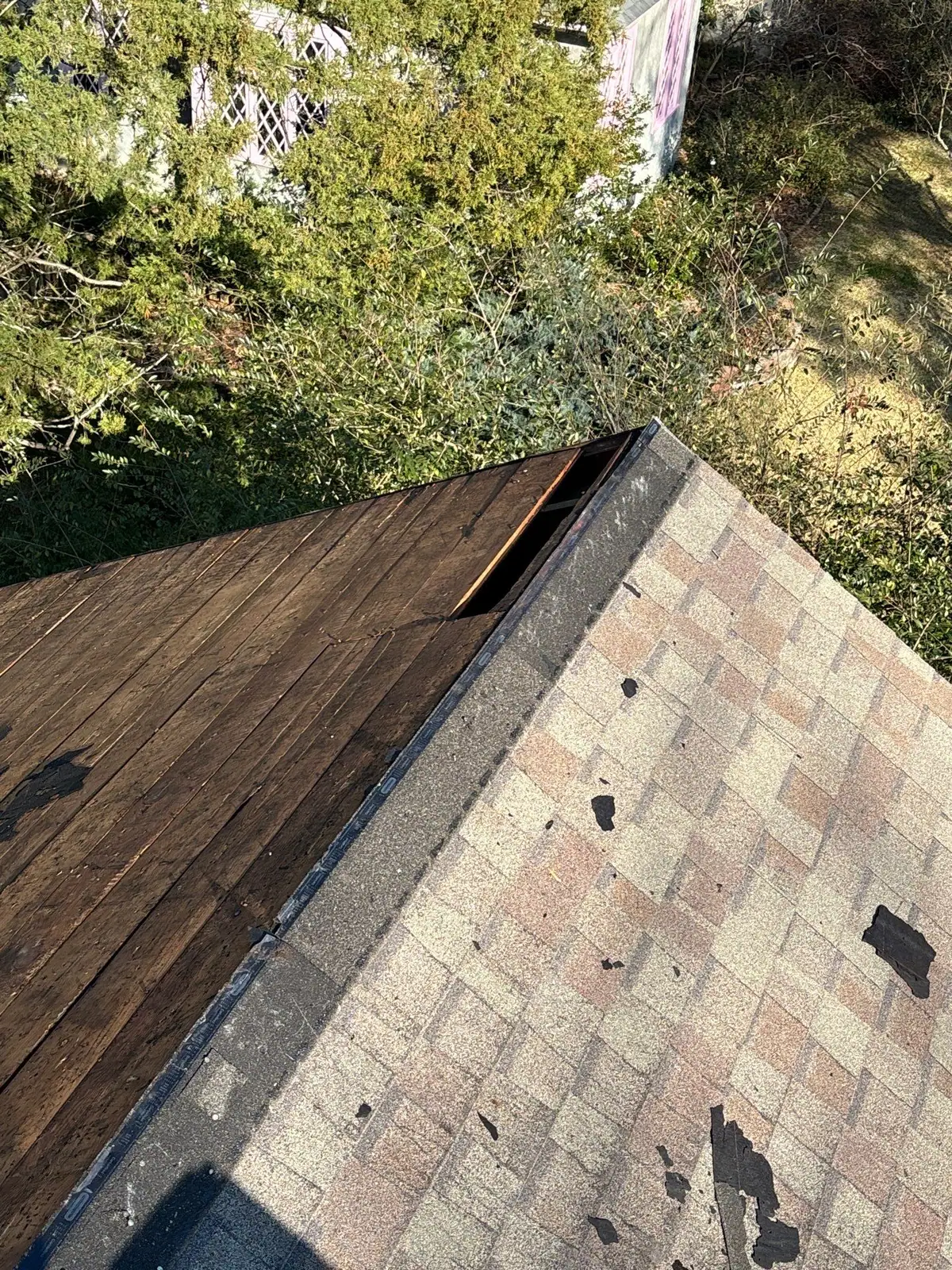
What Hail and Wind Do to Roofs Here
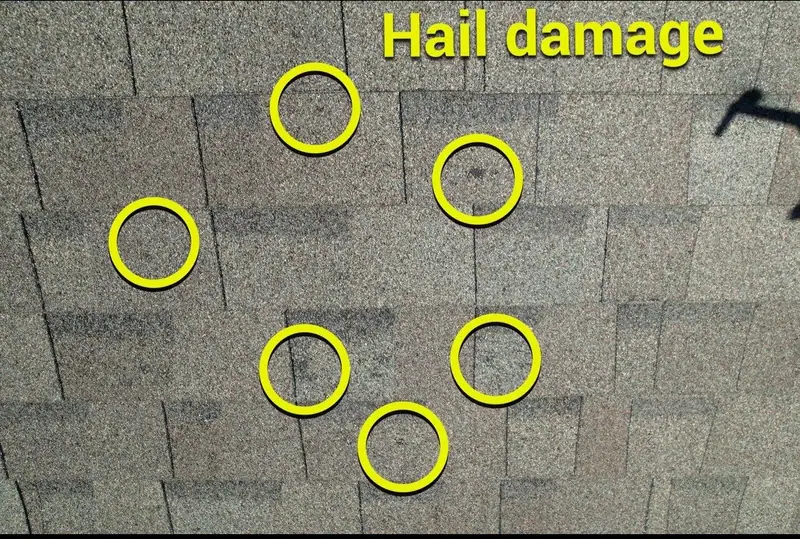
Hail bruises asphalt shingles, knocks granules loose and can crack tabs. Shingles already cooked by Mississippi heat show damage more easily than newer, more flexible product. Metal dents, ridge vents crack and skylight glazing can fail in the same event.
Wind lifts tabs, peels starter courses and drives rain under edges. Lost shingles on one slope often come with creased tabs nearby that will fail in the next storm.
Flashings, gutters and chimney caps take hits that are easy to miss from the ground. A clean-looking field can still hide bent step flashing or a crushed vent boot, which is why the inspection happens on the roof.
Low-slope commercial membranes bruise, puncture and lose edge metal. If your building is flat, pair this process with flat roof repair and commercial roofing once the claim path is clear.
Plain English
The Four Words That Confuse Everybody
Four terms in the carrier paperwork decide what lands in your bank account and when. None are complicated once someone says them plainly.
Deductible
The part you pay, set by your policy. We do not pay it for you as a kickback or pad a scope to bury it.
ACV
Actual Cash Value: what the roof is worth today, after age and wear. It is usually your first check, minus your deductible.
Depreciation
The value subtracted for age. Most policies make it recoverable: you get it back as a second check once the work is finished and invoiced.
Supplement
Damage nobody could see until the old roof came off. We photograph it, submit it, and wait for approval or your written go-ahead before doing that part.
More roofing services
Areas we serve
Common questions
Will you meet my insurance adjuster?
Yes, when scheduled. We bring findings and photos so the conversation stays on the roof, not on guesswork.
Do you charge for storm inspections?
The roof inspection is free. Complex commercial scopes may differ, so ask the office when you call.
What if my claim is denied?
We still show you what the roof needs and quote it. You can pay out of pocket, appeal with better documentation, or phase the work over time. A denial does not mean the roof is fine.
Should I file a claim at all?
Only if the damage clearly exceeds your deductible. We give you an honest read on that before you call anyone, because a claim that does not clear your deductible helps nobody and still goes on your history.
Why does my contractor need to be at the adjuster meeting?
So the same slopes get looked at once, together, with the photo report in hand. Damage missed at that meeting is the most common reason a homeowner is approved for a patch when the roof needs a system.
Why do I get two checks?
Most policies pay the Actual Cash Value first, holding back your deductible and the depreciation. Once the work is finished and invoiced, the depreciation is released as a second check. The gap is timing, not a shortfall.
Can you tarp after storm damage?
When access and safety allow, we can help stabilize the building until permanent repairs are scheduled.
How fast should I call after hail?
As soon as it is safe. Early inspection documents damage before other repairs or more weather confuse the file, and gets you in line while storm volume is high.
Who actually builds the roof after a storm?
The same crews that build every Dickerson roof, run by an owner and a superintendent, to the manufacturer standards for whatever system the claim covers. Other products follow their own warranty paths.
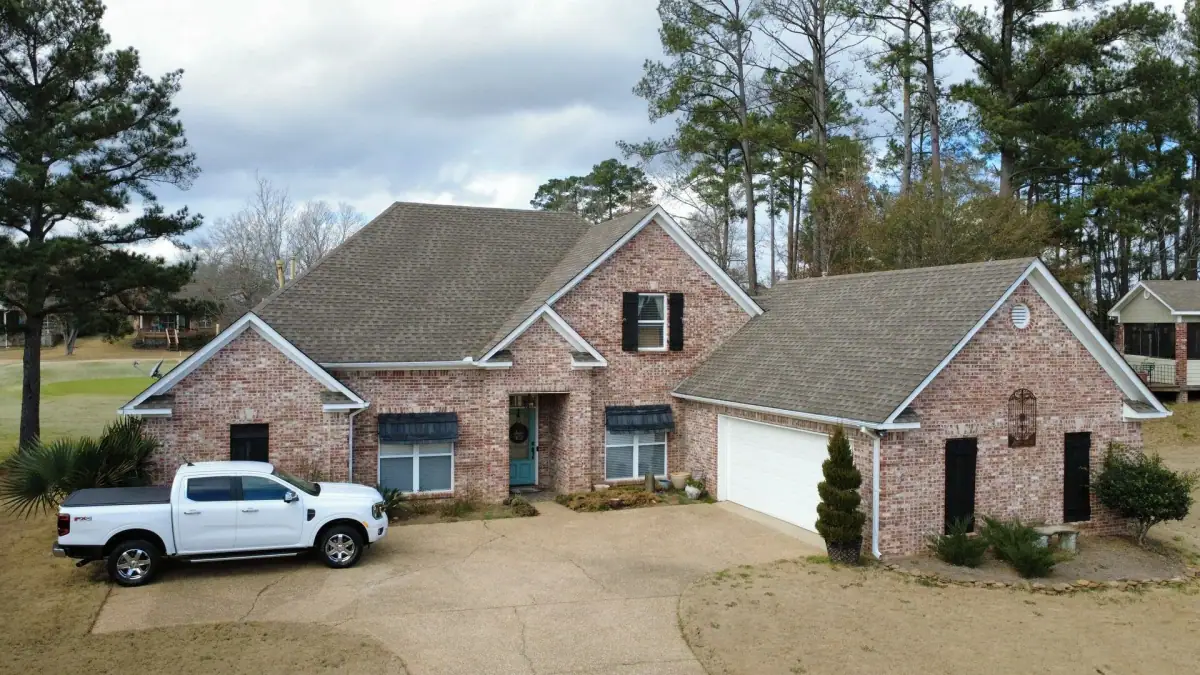
Don't know where to start?
Call the office, or tell us about the job online and get one written quote.